
The agents asking the wrong question about AI in insurance sales are asking whether AI can replace their phone calls. The agents asking the right question are asking which parts of the work that surrounds their phone calls can be automated so they spend more of their day doing the thing that actually produces revenue.
Where AI Fits in Insurance Operations
Lead Prioritization and Scoring
AI-assisted lead scoring takes the six-signal priority model — age alignment, income alignment, line type, lead age, geography, verification freshness — and automates the scoring and sorting process across large record sets. Instead of manually sorting a 2,000-record CSV, an AI tool can score every record in seconds and output a sorted queue ready for CRM import.
Call Preparation Summaries
For re-engagement sequences where a record has prior contact history, AI can generate a one-paragraph call prep summary from the CRM notes before the agent dials: "This prospect was contacted three times in March. Last contact noted they are on a $180/month Medigap plan and mentioned their premium went up this year. Suggested callback in 90 days." An agent who reads that summary before dialing sounds informed rather than generic.
Post-Call Note Drafting
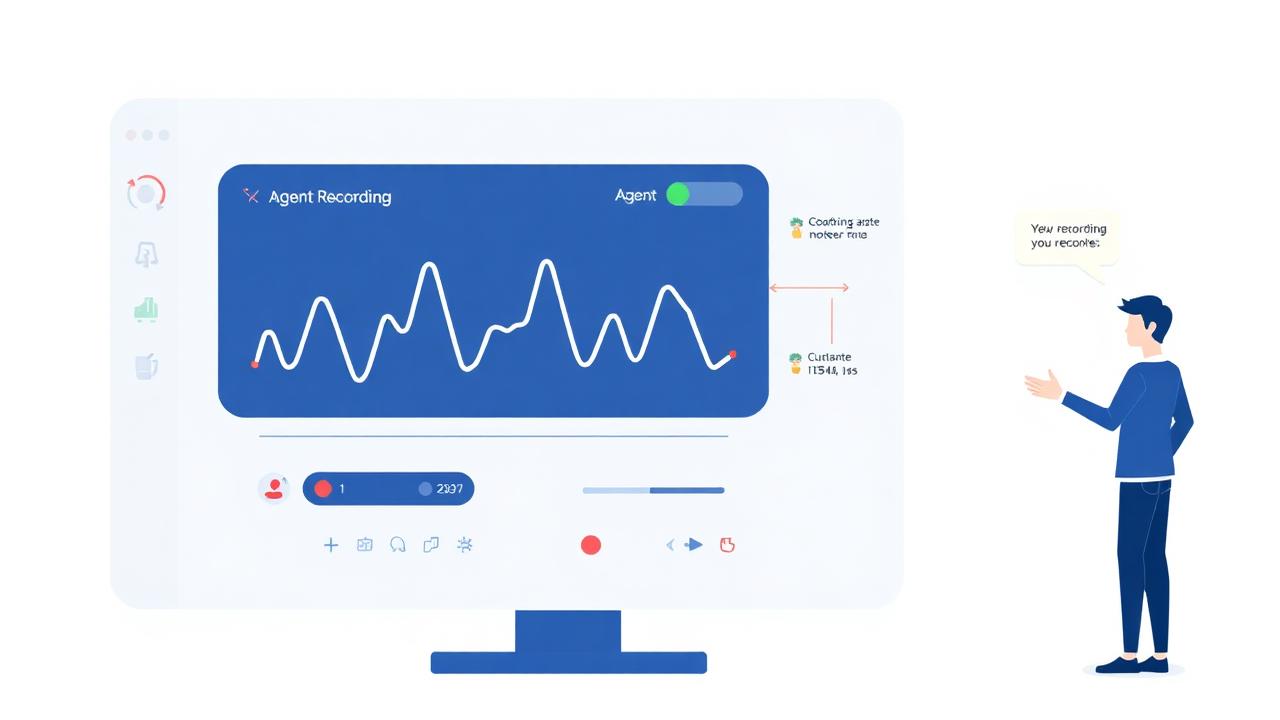
One of the largest time drains in outbound operations is manual CRM note entry after each call. AI transcription tools (Otter.ai, Fireflies.ai) can transcribe and summarize a call in under 30 seconds and push the summary to the CRM automatically. At 150 calls per day, this saves 45-75 minutes of administrative time per agent per day.
Sequence and Follow-Up Drafting
SMS and email follow-up copy for the 8-attempt sequence can be drafted and varied using AI so that agents are not sending identical messages across thousands of prospects. A single prompt produces 5-8 variations of each sequence message, which can be A/B tested across list segments.
Compliance Documentation
AI tools can assist with generating compliance checklists, consent form language, and DNC log templates based on current regulatory requirements. This is not a replacement for a TCPA attorney — an AI-generated consent form should always be reviewed by counsel before use — but it accelerates the documentation drafting process significantly.
Where AI Does Not Fit
The Live Qualification Conversation
The qualifying conversation — the 8-15 minutes where an agent builds enough trust to present a product and move toward a decision — is not automatable in regulated insurance sales without significant compliance exposure. AI voice agents making outbound calls to mobile numbers raise ATDS classification questions immediately. The trust signals that convert insurance prospects — geographic specificity, the agent's tone, the ability to adapt in real time — are not reliably reproducible by current AI voice technology.
Compliance Decision-Making
AI tools can draft compliance documents and flag potential issues. They cannot make compliance decisions. Whether a specific consent record satisfies FCC 23-107, whether a specific call sequence constitutes harassment — these are legal questions that require human judgment and attorney review.
The Setup That Works
RECOMMENDED AI STACK FOR INSURANCE OUTBOUND:
- Lead scoring: GPT-based scoring script or CRM native AI (one-time setup, runs automatically at import)
- Call transcription and CRM note push: Otter.ai or Fireflies.ai integrated with GoHighLevel or HubSpot
- Sequence copy variations: ChatGPT or Claude for drafting, human review before deployment
- Call prep summaries: CRM automation rule triggered by re-engagement date, GPT generates summary from contact history
Browse AI-scored, verified lead inventory at cleanleads365.com/cleaner.
References
- CMS. (2024). Medicare Marketing Guidelines. AI-generated marketing communications restrictions for Medicare Advantage.
- Salesforce. (2023). State of Sales Report. AI adoption in sales operations and time savings data.