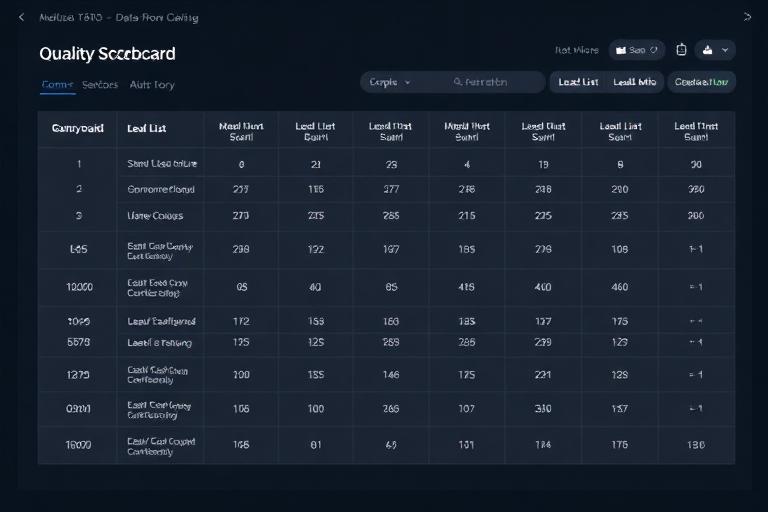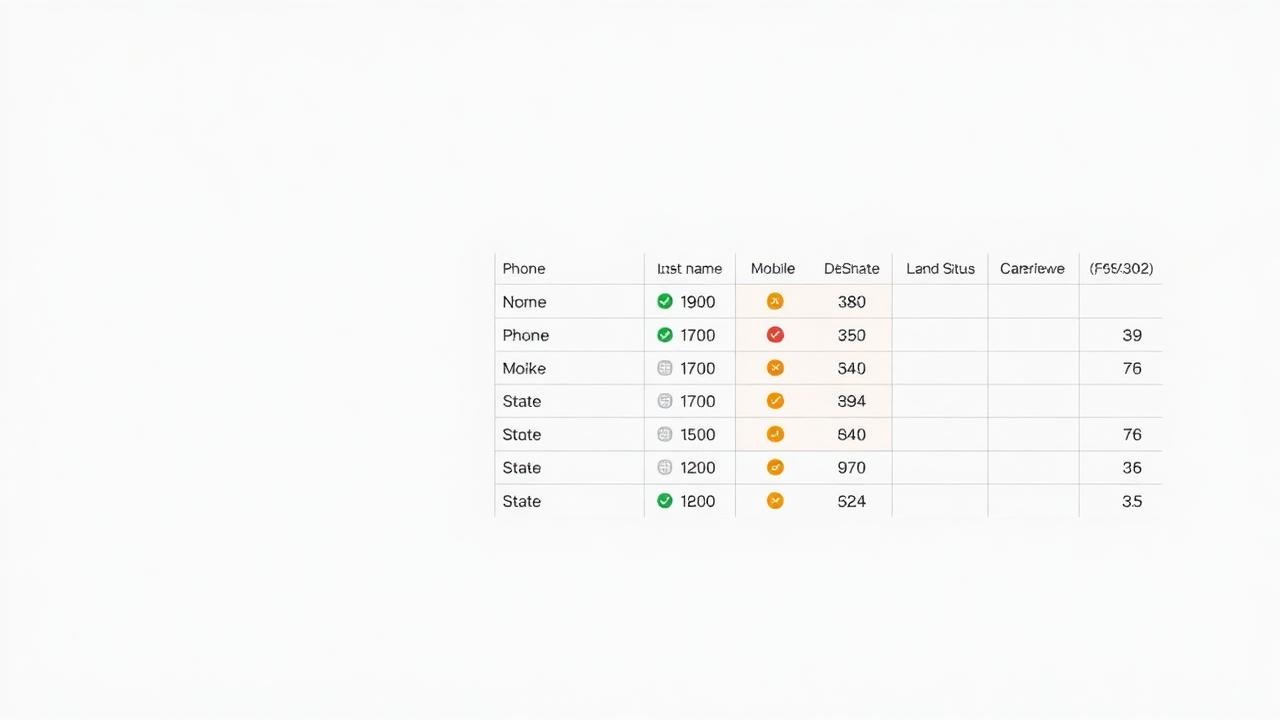


Most agents look at a lead record and see a phone number with a name attached. The agents who extract the most value from any list see something different: a probability profile. The age, the income range, the state, the line type, the lead age, and the household size — used together — tell a surprisingly accurate story about whether this record is likely to convert before the first call is ever made.
Understanding how to read that prediction lets you prioritize which records get your best agents' first dialing session and which ones go into the volume queue.
The Six Data Signals That Predict Conversion
Signal 1: Age Relative to the Product Window
Age is the strongest single predictor of conversion for any insurance product because it determines whether the prospect is in their natural buying moment for the product you're selling. A 64-year-old for Medicare Supplement, a 36-year-old with a new mortgage for term life, a 58-year-old on fixed income for final expense — each age maps to a specific product and a specific urgency window.
Records that are 1–3 years outside the optimal age window for your product will convert at roughly half the rate of records within the window, all else equal. Age filtration before the campaign starts is worth the same as doubling your follow-up attempt count in terms of conversion rate impact.
Signal 2: Income Alignment with the Product
As covered in the income filter guide, income determines not just affordability but product fit. A Medicare record with $25K household income in the Medigap campaign pile is a predictable objection — not a conversion. The combination of correct age + correct income band raises conversion probability by 2–3x compared to age alone. Use income as your second filter after age for every campaign.
Signal 3: Line Type — Mobile vs. Landline
Mobile numbers convert at 3–4x the rate of landlines in most insurance verticals because (a) people carry their phones, (b) mobile numbers are more likely to belong to the actual named individual, and (c) mobile-only consumers tend to be more engaged overall. A mobile record in the right age and income band is your highest-probability record. Prioritize it in the queue accordingly.
Signal 4: Lead Age (Days Since Generation)
Lead age is a decay function. A record generated 7 days ago has a substantially higher conversion probability than the same record at 90 days. The decay rate varies by product — Medicare leads decay more slowly than ACA leads (Medicare decisions happen over a longer research period), but all leads lose probability over time as the original trigger resolves or the prospect is worked by other agents.
A rough model: under 30 days = high probability. 30–90 days = moderate. 90–180 days = lower. 180+ days = demographic prospect, not expressed-intent lead.
Signal 5: Geography — State and Rural/Urban Classification
State and population density affect two dimensions: compliance environment (which filters affect your legal exposure profile) and competitive density (which affects how burned the lead pool is). A rural record in a high-opportunity state has a combined advantage: lower competition + manageable compliance. Urban records in high-complaint-rate states like Florida have the reverse profile — high population density but elevated competition and compliance exposure.
Signal 6: Verification Date Freshness
The verification date tells you how much to trust every other field in the record. A verification date from last week means the active status, line type, and DNC flag are reliable. A verification date from 8 months ago means any of those fields may have changed. Records with stale verification dates need re-verification before they enter the high-priority queue — regardless of how good the other demographic signals look.
The Priority Scoring Model
Combine these six signals into a simple priority score for any batch of records before dialing:
HIGH PRIORITY (dial first): All six signals aligned
Age in optimal window + correct income band + mobile + under 30 days old + Tier 1 state/rural classification + verified within 60 days
MEDIUM PRIORITY (dial second): 4–5 signals aligned
Age correct + income approximate + mobile + 30–90 days old OR landline + all other signals strong
VOLUME QUEUE (dial last): 2–3 signals aligned
Age marginal OR income misaligned + landline + 90–180 days old + urban high-competition area
This model doesn't require a sophisticated algorithm. It requires sorting your CSV by the six fields before loading it into the dialer. An agent who dials the high-priority segment first — even if it's only 20% of the total list — will have more conversations per hour than one who dials the list in random order. Browse pre-filtered lead inventory at cleanleads365.com/cleaner to build a list where the demographic signals are already aligned before delivery.
Frequently Asked Questions
Can I automate this priority scoring?
Yes — most CRMs that accept custom field import allow you to calculate a composite score column in a spreadsheet before upload. Build a simple formula: assign 1 point per aligned signal, sum across the six fields, sort descending. Records with a score of 5–6 go into the high-priority campaign. Records with 2–3 go into the volume campaign. The formula takes 30 minutes to build once and applies to every future list automatically.
What if I don't have all six fields in my lead data?
Score with what you have. Even three signals — age, line type, and lead age — produce meaningfully better prioritization than no segmentation at all. The more complete your data, the more accurate the priority signal. This is another argument for buying from a verified marketplace rather than a raw compiled list — the field coverage is significantly better.
References
[1] LIMRA. (2023). Insurance Lead Conversion Research. Demographic signal correlation with close rate.
[2] InsideSales.com / Xant. (2014). Lead Response Management: age and demographic predictors of conversion.