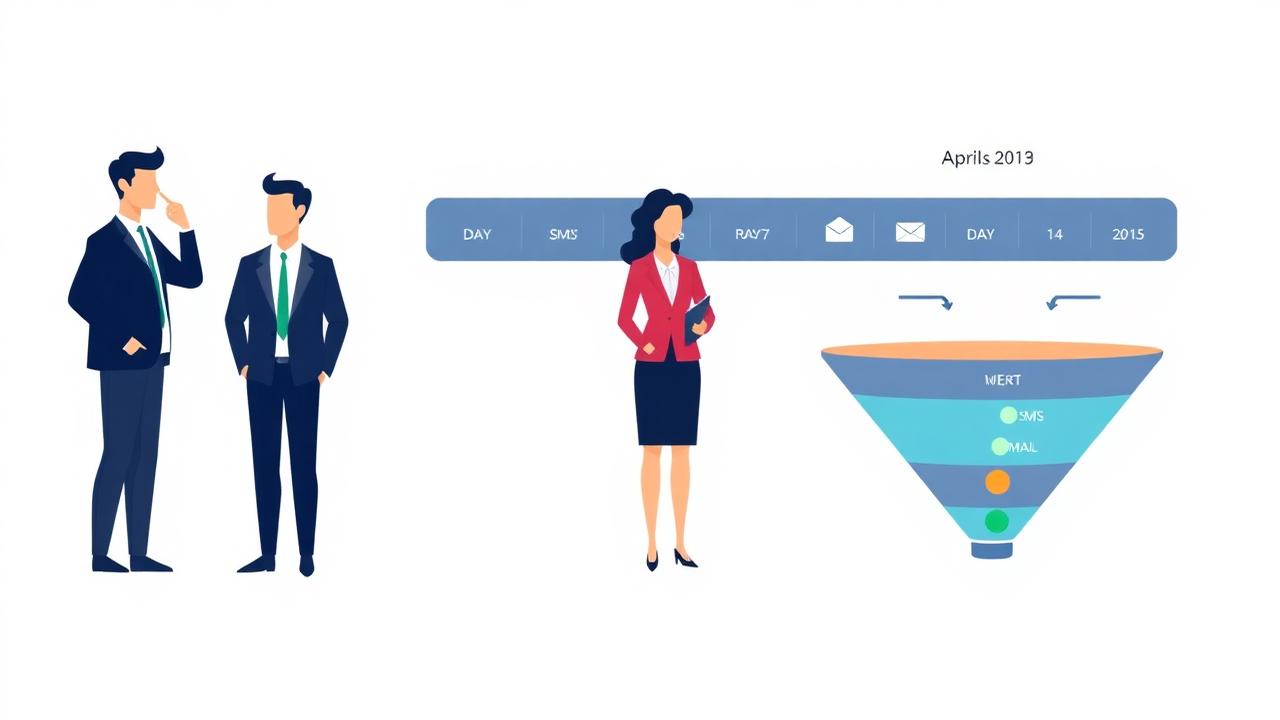
Email is underused in insurance outbound. Most agents collect an email address at the time of a conversation, send one follow-up, and then let the address sit idle in the CRM. A structured email nurture sequence running alongside your calling campaign converts a meaningful percentage of prospects who were interested but not ready — the ones who said "I want to think about it" and meant it — into policies written 30-90 days after the initial call.
When to Use Email in the Sequence
Email is not a replacement for the 8-attempt phone sequence — it is a parallel channel that reaches prospects who are researching between calls. The trigger for adding email to a record: any live conversation where the prospect expressed interest but did not close, or any direct request for written information. Do not add email to records that have never had a live conversation — cold email to purchased lists without prior consent carries CAN-SPAM requirements that are separate from the phone compliance framework.
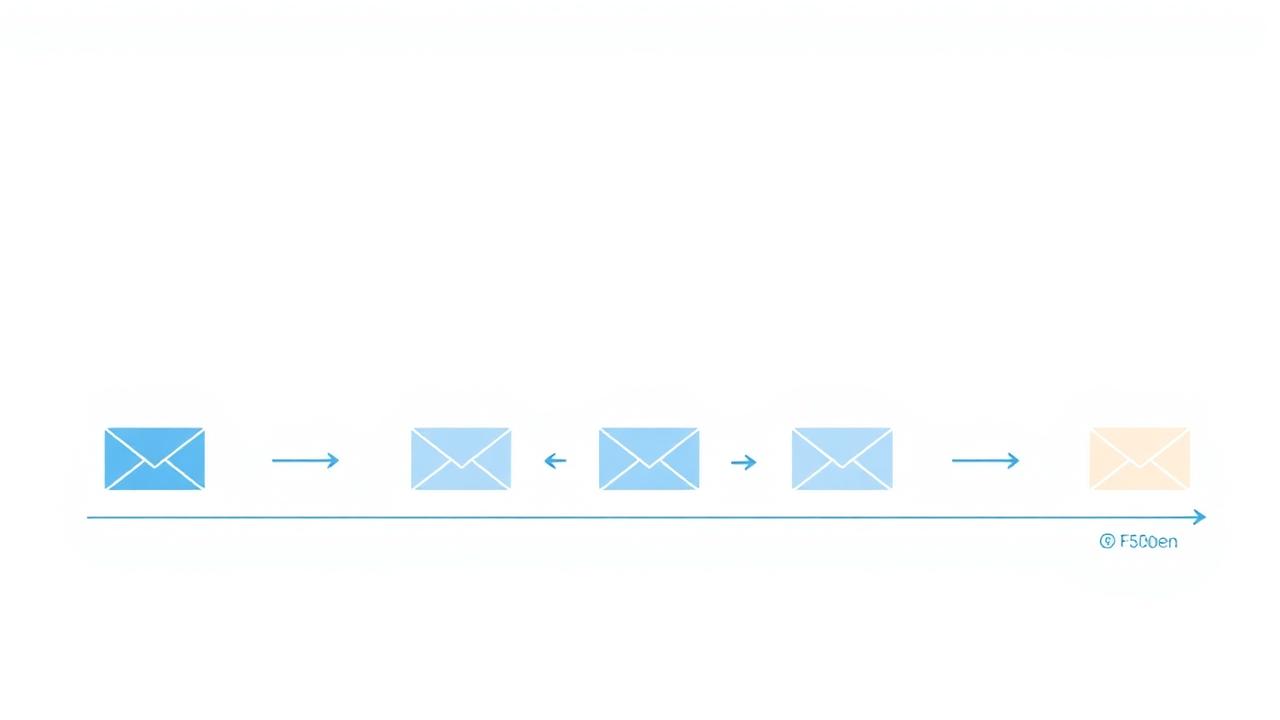
The Five-Email Nurture Sequence
Email 1: The Conversation Recap (Within 24 Hours)
Subject: "Following up on our conversation about your Medicare coverage." Three sentences maximum. What you discussed. The specific plan or comparison point you mentioned. A single link to your Google Business Profile. No HTML graphics — plain text performs better for deliverability and trust.
Email 2: The Educational Piece (Day 5)
Subject: "One thing most people miss about Medicare Supplement coverage." A specific, genuinely useful piece of information relevant to the prospect's situation. Not a pitch. The educational email builds credibility because the content is useful even if the prospect never calls you back.
Email 3: The Social Proof Email (Day 12)
Subject: "What clients in [State] are saying about their plan review." Two or three sentences from real client experiences. Brief, specific, situation-relevant statements — not testimonials with dramatic framing.
Email 4: The Urgency Trigger (Day 21)
Subject: "Medicare enrollment window — important dates for [State]." Only use real urgency — manufactured urgency in insurance email is easily detected and destroys trust in a demographic that has seen every sales tactic.
Email 5: The Clean Close (Day 35)
Subject: "Still happy to help — no pressure." Three sentences. You have followed up several times. If they are still interested, you are available. If the timing is not right, no problem. This removes pressure explicitly, which often produces a response from prospects who were avoiding calls.
CAN-SPAM Compliance for Insurance Email
Every commercial email must include: your physical mailing address, a clear opt-out mechanism, and honest subject lines. Do not use subject lines like "Your Medicare application" for a prospect who has not applied — these are deceptive subject lines that violate CAN-SPAM and will generate spam complaints.
Frequently Asked Questions
References: FTC. (2023). CAN-SPAM Act: A Compliance Guide for Business. | Campaign Monitor. (2023). Email Marketing Benchmarks by industry.