
According to CMS data, approximately 1.2 million Medicare beneficiaries make unintended plan changes each year because they confuse AEP with OEP. Medicare has two enrollment windows that sound similar and mean completely different things. The agent who explains the difference proactively — without being asked — prevents costly mistakes and demonstrates exactly the kind of informed advocacy that builds client loyalty and earns the annual review call.
AEP vs OEP: The Actual Difference
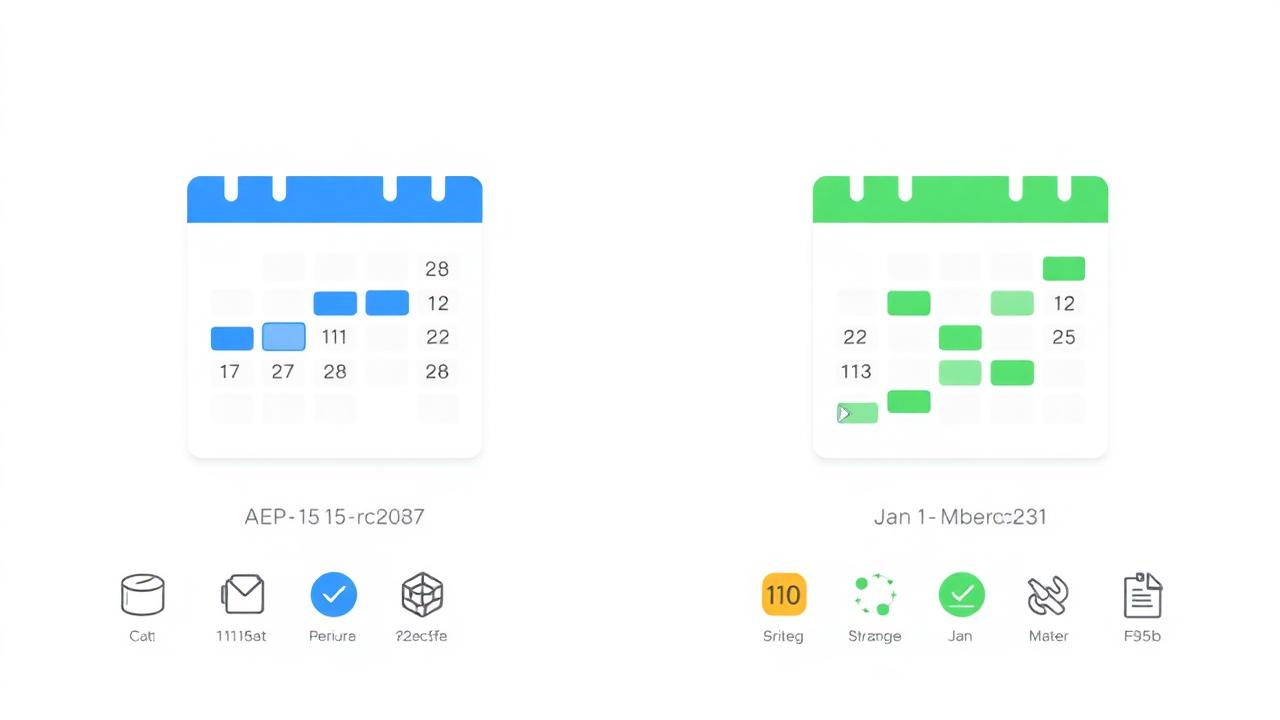
| Annual Enrollment Period (AEP) | Open Enrollment Period (OEP) | |
|---|---|---|
| Dates | October 15 through December 7 | January 1 through March 31 |
| Who can use it | All Medicare beneficiaries | Only current MA enrollees |
| What you can do | Switch any plan, add/drop Part D, move between MA and Original | Switch MA plans once, or return to Original Medicare |
| Effective date | January 1 of following year | First day of following month |
| Medigap enrollment? | With underwriting (no guaranteed issue outside special windows) | No — Medigap has different rules |
The Mistakes Clients Make by Confusing These Windows
Mistake 1: Waiting for AEP to Fix an OEP Problem
A client dissatisfied with their MA plan in February thinks they need to wait until October 15 (AEP). In fact, they can switch during OEP (January 1 through March 31). Every month they wait is a month paying for a plan that is not working.
Mistake 2: Using OEP to Add a Medigap Plan
OEP allows MA-to-Original Medicare transitions but does not provide guaranteed issue rights for Medigap in most states. A client who moves from MA to Original during OEP and is outside their initial enrollment window faces medical underwriting for Medigap. An agent who explains this before the transition prevents a painful surprise.
Mistake 3: Expecting Immediate Effect from a December Change
An AEP enrollment completed on December 6 is effective January 1 — not December 7. This matters for clients with pending procedures or year-end benefit coordination questions.
How to Use This Knowledge in Client Calls
Add a proactive OEP call to your January outreach calendar. Every MA client gets a brief call in the first two weeks of January. Agents who make this call report 8-12% of their MA book requesting a plan review — and 40% of those reviews result in a plan change that generates new commission. "If anything about your plan has been frustrating since January 1 — your premium, your network, anything — this is the window to make a change." This call demonstrates monitoring, surfaces dissatisfied clients before they call a competitor, and creates re-enrollment opportunities at zero acquisition cost.
Frequently Asked Questions
References: CMS. (2023). Medicare Enrollment Periods. 42 C.F.R. 422.62. | Medicare.gov. (2024). When Can I Join, Switch, or Drop a Medicare Advantage Plan?