
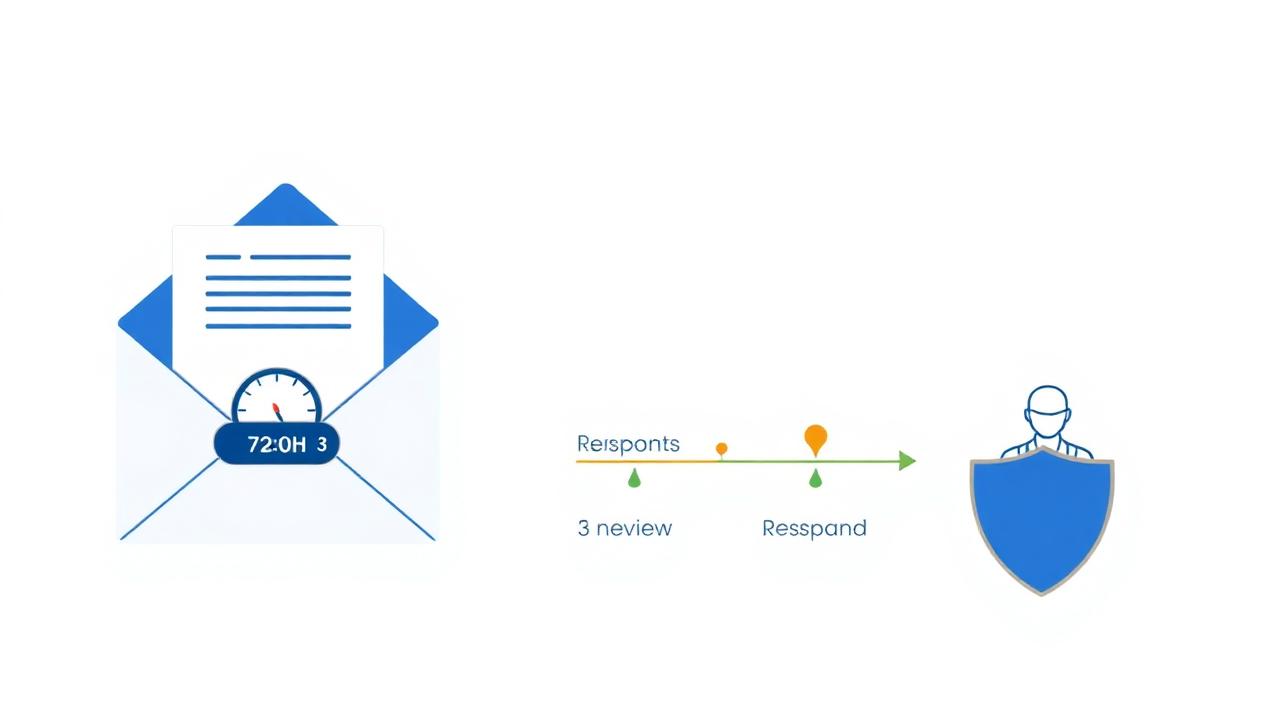
A TCPA demand letter landing in your inbox is not the same as a lawsuit, but it is a signal that should be taken seriously and handled with a specific protocol. The mistakes agents make in the first 72 hours — responding emotionally, destroying records, continuing to call the complaining number, or ignoring it entirely — can turn a resolvable situation into expensive, prolonged litigation.
What a TCPA Demand Letter Usually Looks Like
Most TCPA demand letters follow a predictable structure: identification of the complaining party and their phone number, description of the alleged violating call(s) with dates and times, the legal basis (typically TCPA 47 U.S.C. 227(b) or 227(c)), the damages calculation ($500-$1,500 per call, sometimes trebled to $4,500 for willful violations), and a settlement demand or deadline for response.
The First 72 Hours: What to Do
Step 1: Do Not Call That Number Again (Immediately)
The moment you identify the phone number in the demand letter, add it to your internal DNC list and remove it from every active campaign queue immediately. Any additional call after receiving the demand letter dramatically worsens your position. Document the date and time you added the number to suppression.
Step 2: Preserve All Records (Do Not Delete Anything)
Do not delete, overwrite, or archive-compress any records related to the phone number. This includes CRM records, call logs, dialer reports, DNC scrub records, consent documentation, and internal DNC list entries. Destroying records after receiving a demand letter is spoliation of evidence — which courts treat more seriously than the underlying TCPA violation.
Step 3: Engage a TCPA Attorney Within 72 Hours
Do not respond to the demand letter yourself before consulting a TCPA attorney. A self-written response can contain admissions that undermine your negotiating position. The TCPA defense bar is specialized — look specifically for attorneys with telemarketing defense experience.
Step 4: Conduct an Internal Audit
Before the attorney call, gather every record associated with the complaining number: how it entered your list, verification records, call log, consent documentation, and your internal DNC list to confirm no prior request was missed.
What Not to Do
DO NOT:
- Call or text the complaining number again — ever
- Respond to the letter yourself before attorney review
- Delete or modify any records associated with the number
- Ignore the letter — unanswered demand letters become lawsuits
- Post about it on social media or insurance agent forums
- Panic and offer a settlement before your attorney assesses actual exposure
Understanding Your Actual Exposure
TCPA demand letters often cite maximum statutory damages ($1,500 per call trebled for willful violation). This is the ceiling, not the expected resolution. Most demand letters are resolved through negotiated settlement for significantly less, particularly when the defendant can demonstrate the calls were made through a power dialer (non-ATDS), the list was DNC scrubbed, and the total call count was limited.
An agent with clean compliance documentation — verified lists, DNC scrub records, no litigator flags missed — is in a meaningfully better negotiating position. Pre-campaign litigator scrubbing is the most direct protection. Scan your list at cleanleads365.com/scan-my-list.
References
- TCPA World. (2024). TCPA Demand Letter Statistics and Resolution Outcomes. Plaintiff bar activity in insurance outbound.
- 47 U.S.C. 227(b) and 227(c). TCPA statutory damages: $500 per violation, $1,500 for willful violations.