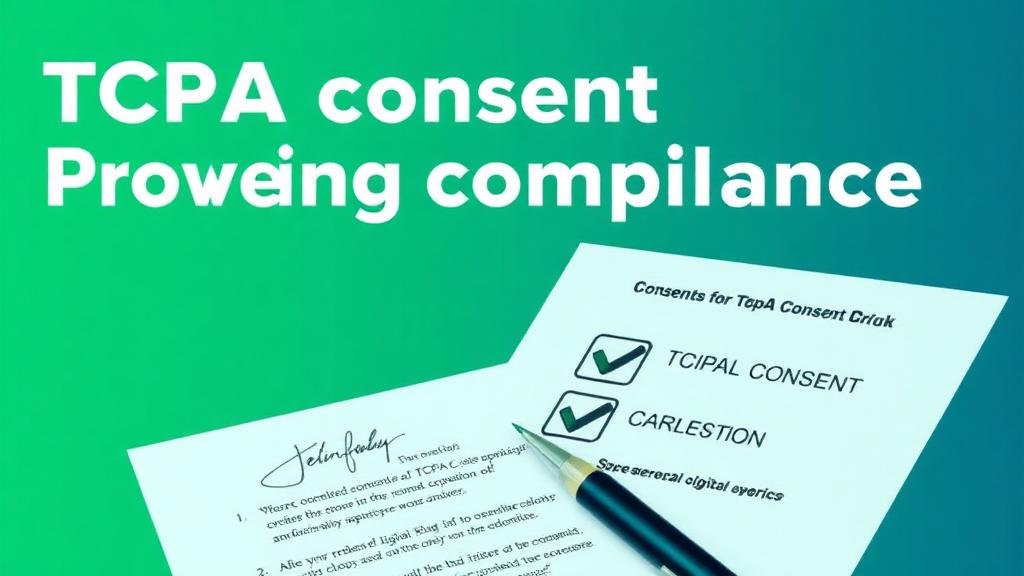

There's a version of this story that ends in court. An insurance agent gets a TCPA demand letter. They call their attorney. The attorney asks: "Do you have a consent form?" The agent says yes and sends it over. The attorney reads it — and then has to deliver bad news: the form doesn't actually protect you.
This happens constantly. Here's how to make sure it doesn't happen to you.
What Consent Forms CAN and CANNOT Do
A properly constructed consent form, capturing prior express written consent that meets FCC standards, provides genuine TCPA protection for autodialed marketing calls to cell phones. If you're sued, you produce the consent record. The claim either fails or settles for dramatically less.
What a consent form cannot do: retroactively protect you for calls already made without valid consent. Protect you from DNC Registry violations (that's a separate compliance requirement). Cover you if the form was inadequate. Or protect you if the consent was captured by someone else for a different company.
The Six Elements the FCC Requires — and Where Most Forms Fail
The FCC's 2012 TCPA order (FCC 12-21) established specific requirements for prior express written consent. All six must be present. Courts have found consent legally insufficient when even one is missing.[1]
1. Written Agreement
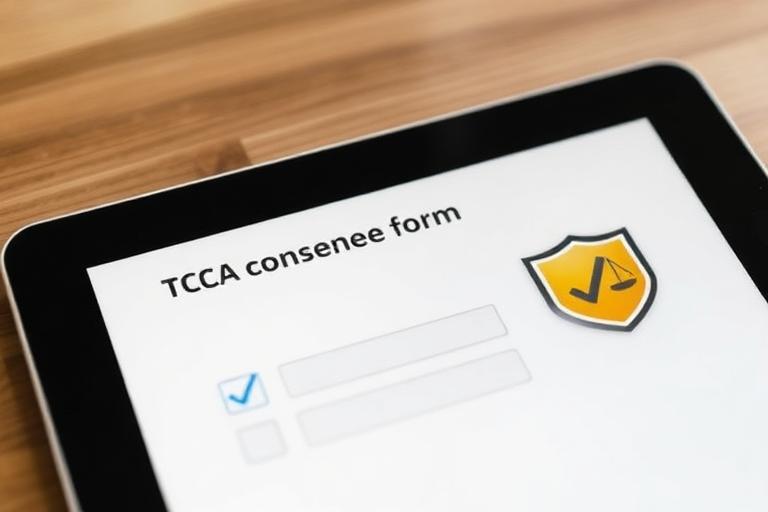
The consent must be in writing. Electronic form submissions satisfy this — the E-SIGN Act gives electronic signatures the same legal weight as handwritten ones. But the record of the submission must be retained.
2. Consumer Signature
A click-to-submit action on a web form constitutes a valid electronic signature if the consumer clearly understood they were executing a legal agreement. Pre-checked checkboxes do not count — the consumer must affirmatively act.
3. Specific Authorization for Your Company
This is where most insurance lead forms fail. The FCC's 2024 order (FCC 23-107) requires that each company planning to place autodialed calls be individually and specifically named in the consent disclosure. If your name isn't on the form, that consent doesn't cover your calls.[2]
4. Disclosure of Autodialing Technology
The form must clearly disclose that the consumer is agreeing to receive calls or texts using an automatic telephone dialing system and/or prerecorded voice.
5. Consent Is Not a Condition of Purchase
The form must explicitly state that consenting to receive calls is not a required condition of purchasing any product or service.
6. The Specific Number Being Called
The consent should connect to the specific phone number the consumer is providing.
The Record-Keeping That Makes Consent Defensible
A consent form that works in practice requires four things beyond the form language itself:
- Server-side timestamp: The date and time of submission, recorded on your server.
- IP address log: The IP address of the submission.
- Form version archive: The exact text of the consent disclosure as it appeared on the date of submission.
- Number-to-consent matching: A database connecting each phone number to its specific consent record, searchable in under 30 seconds.
Buying Leads: Consent That Actually Travels With the Lead
When you buy leads from a vendor, ask: "Does the consent record naming my company specifically travel with this lead?" Under the FCC's 2025 rule, consent captured by a lead generator for a group of unnamed "insurance partners" no longer satisfies the requirement for autodialed marketing calls.
Clean Leads 365 provides consent documentation with lead records — verify the consent language covers your specific agency before running any ATDS campaign.
References
- Federal Communications Commission. (2012). FCC 12-21. TCPA Omnibus Declaratory Ruling and Order.
- Federal Communications Commission. (2024). FCC 23-107. One-to-one consent rule for lead generators. Effective January 27, 2025.
- FTC v. Caribbean Cruise Line, Inc., 179 F. Supp. 3d 817 (N.D. Ill. 2016).