You bought a list. You paid good money for it. Now you need to know which numbers are actually safe to dial. That process — checking your list against every relevant Do Not Call database and removing or flagging the unsafe numbers — is called DNC scrubbing. This guide explains exactly what it is, why it matters, and what a properly scrubbed list looks like.
What Is DNC Scrubbing?
DNC scrubbing is the process of comparing every phone number in your lead list against one or more Do Not Call databases and removing or flagging any number that appears in those databases. The primary database is the National Do Not Call Registry, maintained by the FTC, which contained over 249 million phone numbers as of 2024.
But 'scrubbing' in a complete compliance context includes:
- National DNC Registry (FTC — federal law, covers all states)
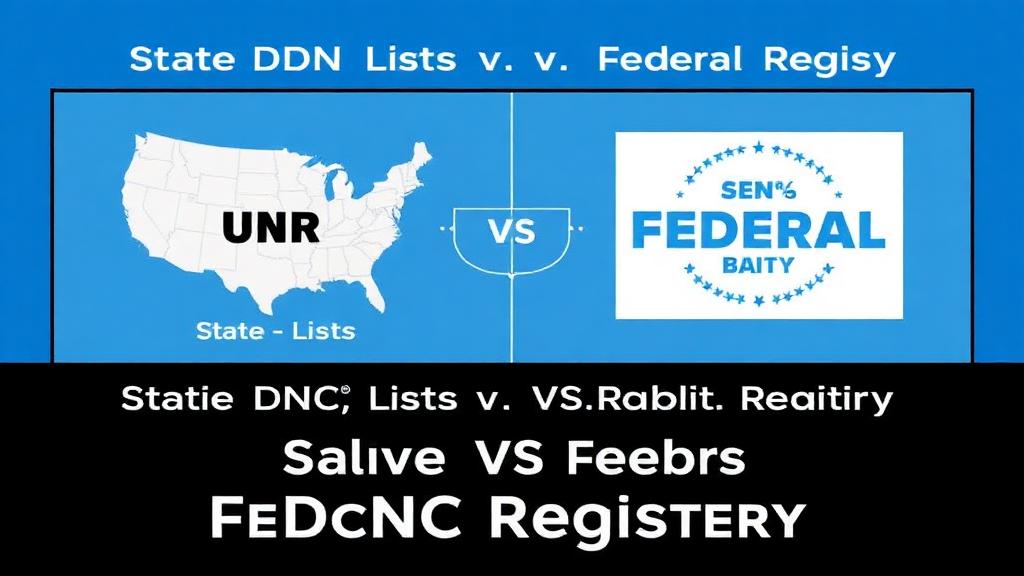
- State-specific DNC lists (17+ states maintain their own separate lists)
- Internal DNC list (your own company's list of people who've asked you not to call)
- Wireless block lists (carriers maintain reassigned number databases)
- Litigator lists (known TCPA plaintiffs who actively sue for violations)
A number that passes all of these checks is what the industry calls a 'clean' number — one that is legally dialable without known TCPA or DNC exposure.
Why Does It Matter More Than Most Agents Realize?
The FTC's Telemarketing Sales Rule (16 C.F.R. Part 310) makes it your responsibility — not your lead vendor's — to ensure you aren't calling registered numbers. Even if you purchased a list in good faith from a vendor who claimed it was compliant, the legal exposure falls on the party that makes the call. That's you.
The penalty structure is not graduated by intent. One call to one registered number is one violation at $500 minimum. If a TCPA plaintiffs' attorney identifies 1,000 registered numbers in your calling records, that's a $500,000 class action floor before they allege willfulness.
"The liability is always yours. Purchasing a lead list does not transfer compliance responsibility."
The Mechanics: How DNC Scrubbing Actually Works
- List upload: You upload your phone number list as a CSV file to a scrubbing service.
- Database matching: Each number is checked against the relevant DNC databases.
- Verification layer: Beyond DNC status, a complete scrub also verifies: is the number still active? Is it mobile or landline? Has it been reassigned?
- Results returned: Your list comes back with each number flagged: SAFE TO DIAL / DNC REGISTERED / DISCONNECTED / LANDLINE / TCPA RISK.
- Record keeping: Store the scrubbed output and the date it was processed. This is your compliance documentation.
The 31-Day Rule: Why You Can't Scrub Once and Forget
The FTC requires that telemarketers access an updated version of the National DNC Registry no more than 31 days before any call is made. This is a rolling requirement, not a one-time event.
- A list scrubbed on January 1 is only valid for calls made through January 31.
- Any number added to the DNC registry after your last scrub is a new risk.
- If you're running ongoing campaigns, you need a recurring scrub schedule.
Mobile vs. Landline: The Additional TCPA Layer
DNC scrubbing addresses registry compliance. But for mobile numbers, there is an additional compliance requirement: under 47 U.S.C. § 227(b)(1)(A), placing a call or text to a cell phone using an ATDS or prerecorded voice without prior express consent is prohibited — even if the number is NOT on the DNC Registry.
This is one reason mobile-only lead lists from a compliant provider — like those available at Clean Leads 365 — are worth paying more for.
What a Properly Scrubbed List Looks Like
After a full scrub, your list should include the following fields for each number:
- Phone number (original)
- Line type (Mobile / Landline / VoIP)
- DNC status (Clean / DNC Registered / State DNC)
- Active status (Live / Disconnected / Inactive)
- TCPA risk flag (None / Flagged)
- Last verified date
In-House Scrubbing vs. Using a Service
In-House Scrubbing
You can access the National DNC Registry directly at ftc.gov. Limitations: Does not include state lists. Does not verify whether numbers are mobile or active. Does not include litigator lists. Requires manual process management.
Third-Party Scrubbing Service
A service like Clean Leads 365 handles all of the above in one upload. You get back a fully annotated list with DNC status, line type, active status, and TCPA risk flags — typically in under five minutes.