
Most insurance agents who build successful solo practices eventually hit a ceiling — the ceiling of their own working hours. They are producing well, their conversion metrics are strong, and there is more potential business available than they can personally work. Here is the framework for transitioning from a solo agent to an agency that runs with or without your daily involvement.
Stage 1: Delegate the Administrative Work First
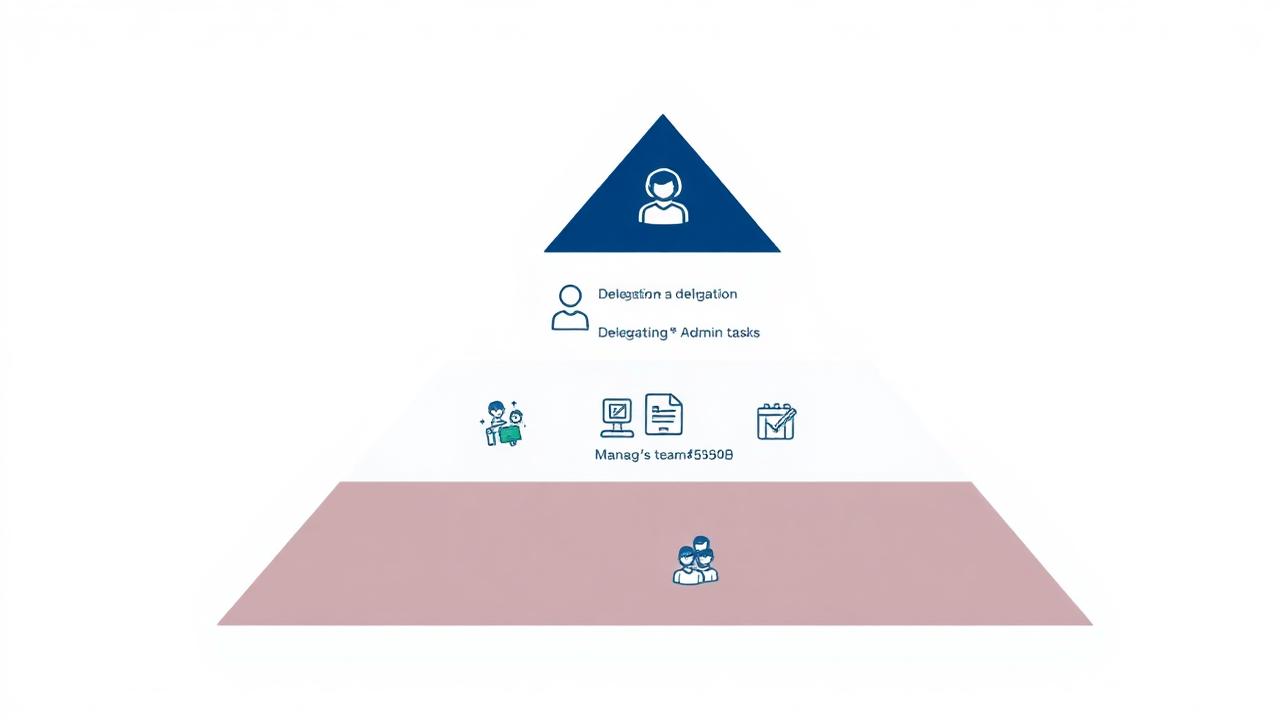
The first hire should not be another licensed agent. It should be a part-time administrative assistant who handles CRM data entry, appointment scheduling, follow-up SMS scheduling, document collection, and post-enrollment paperwork tracking. A licensed agent spending 3 hours per day on admin and 4 hours on selling has a 43% selling ratio. After delegating admin work: potentially 6-7 hours of selling conversations per day. The assistant pays for themselves in the first week of recovered selling time.
Stage 2: Delegate the Dialing Function
The second delegation is the outbound dialing function — either through a warm transfer screener or a power dialer agent who works through the cold list and transfers interested prospects. This frees the licensed agent entirely from the cold opener stage and focuses their time on qualified conversations.
Stage 3: Delegate the Closing Function
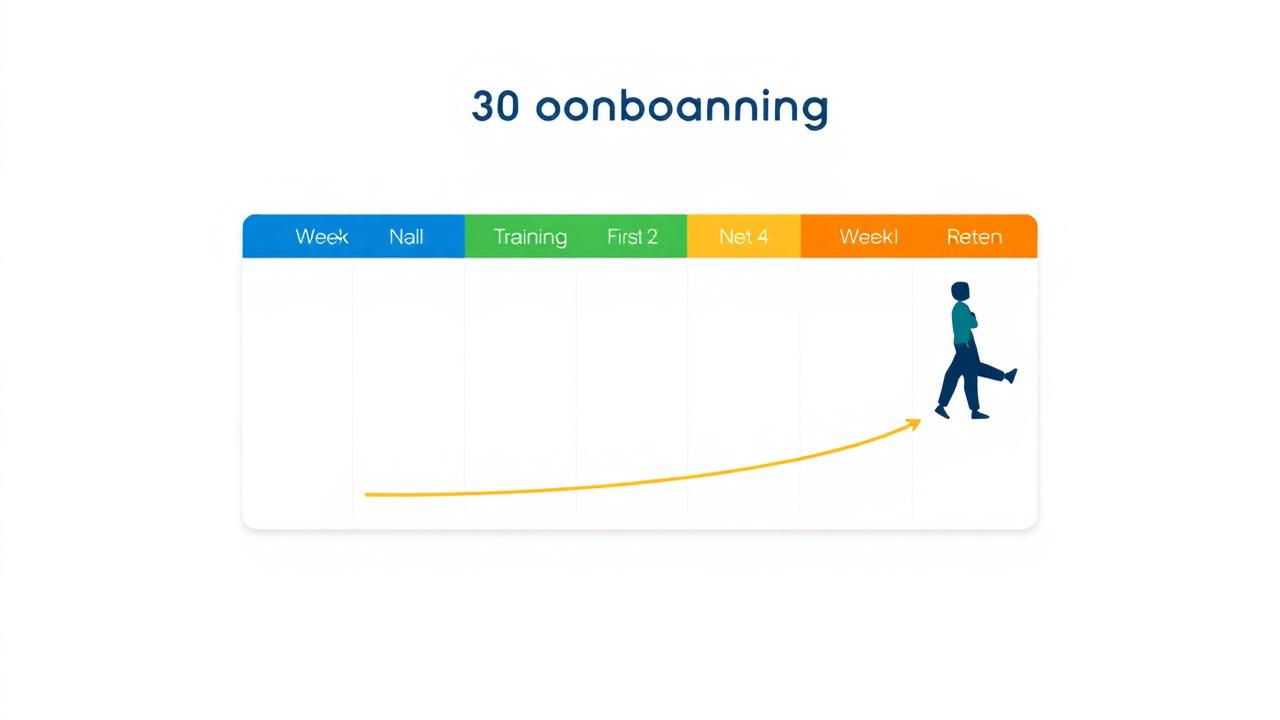
The final delegation is hiring and training licensed agents to run the full presentation and close. This is the most complex delegation because closing requires judgment, product knowledge, and relationship-building that takes months to develop. A licensed closer needs a full 30-day onboarding and a 90-day supervised ramp. Stage 3 is when the operation becomes a true agency — revenue generated by a team rather than by you personally.
The Systems That Make Delegation Possible
Documented Processes
Every task you delegate must be documented before it is delegated. A process that exists only in your head cannot be taught, audited, or improved. A one-page step-by-step document or a 10-minute Loom video is sufficient for most tasks. Build documentation before you hire, not after.
The CRM as the Source of Truth
When multiple people work the same pipeline, the CRM is the only way to prevent duplicate calls, missed follow-ups, and compliance gaps. Every interaction must be logged by every person who touches it — this is a non-negotiable requirement, not a best practice.
Weekly Accountability Reviews
The weekly review becomes a team meeting: metrics per agent, compliance checks, quoted pipeline review, and one behavioral focus for the coming week. 45-60 minutes maximum, three specific action items.
Frequently Asked Questions
References: LIMRA. (2023). Insurance Agency Growth Study. Delegation sequencing and revenue-per-agent benchmarks. | Gerber, M. (2001). E-Myth Revisited. HarperCollins.