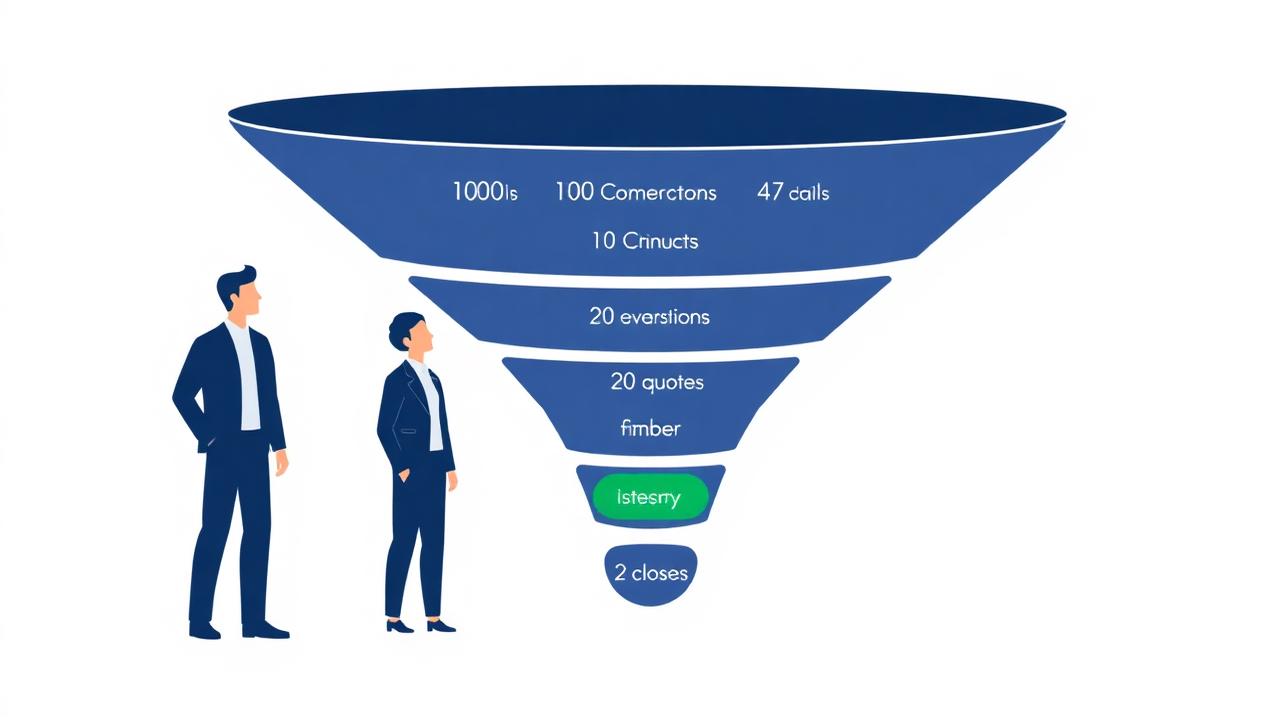

An agent says their close rate is 30%. What they mean is: of the people who agree to hear a quote, 30% buy. What they don't know is their actual close rate — the percentage of leads they started with that resulted in a policy. That number is usually around 2–4%. And unless they know it's 2–4%, they can't diagnose what's actually broken.
Here's how to calculate the three rates that actually tell you where to fix your operation.
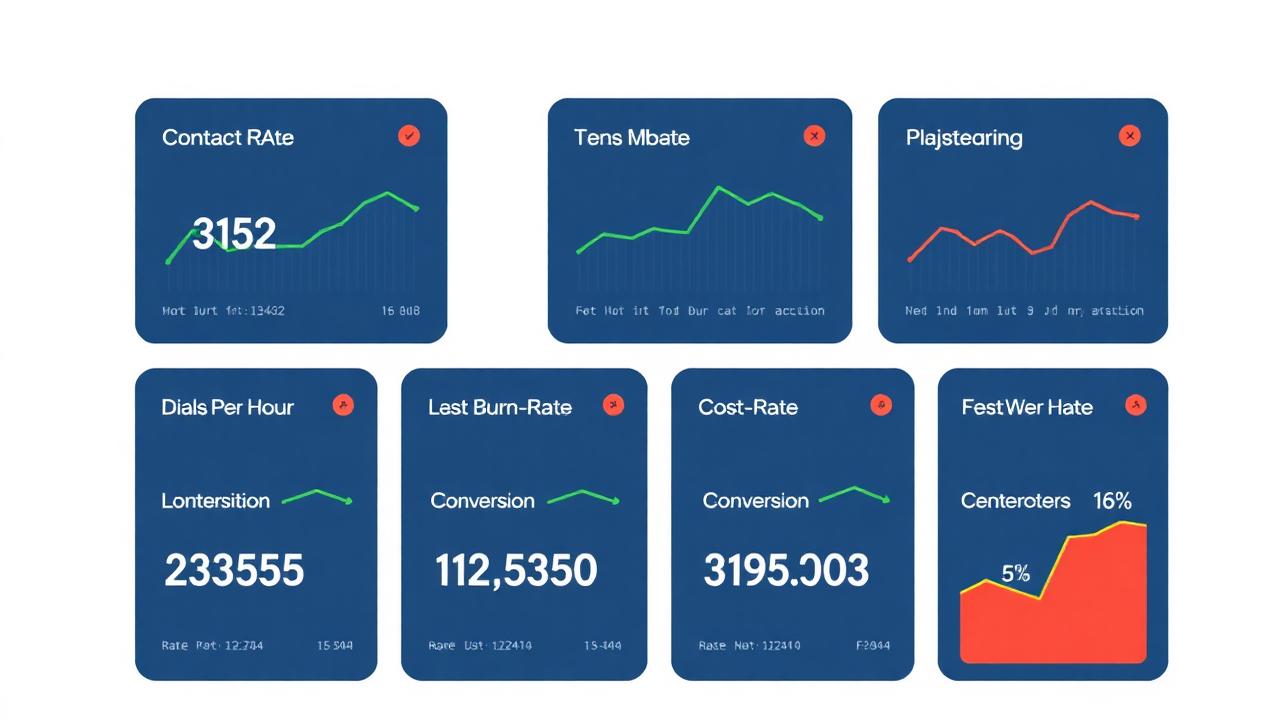
The Three Conversion Metrics That Actually Matter
Metric 1: Contact Rate
Formula: (Live Conversations ÷ Total Dial Attempts) × 100
Example: 400 dials → 120 live conversations = 30% contact rate
This tells you whether your list and timing are working. A contact rate below 20% is a data quality problem. A contact rate above 50% means your list and timing are well-optimized. Everything below 20% — investigate the list first, timing second, before touching the script.
Metric 2: Quote Rate (or Appointment Rate)
Formula: (Quotes Given or Appointments Set ÷ Live Conversations) × 100
Example: 120 live conversations → 36 quotes given = 30% quote rate
This tells you whether your opener and qualification process are working. A quote rate below 15% means you're losing prospects before you even present — the opener isn't creating enough interest or the qualifying questions are generating too many "not interested" responses. A quote rate above 35% is strong.
Metric 3: Close Rate
Formula 1 (from quotes): (Policies Sold ÷ Quotes Given) × 100
Formula 2 (from lead): (Policies Sold ÷ Total Leads) × 100
Example from quotes: 36 quotes → 9 policies = 25% close rate from quote
Example from lead: 9 policies ÷ 400 leads = 2.25% close rate from lead
Formula 1 tells you whether your presentation and close are working. Formula 2 tells you the overall efficiency of your entire operation — from list to policy. Both numbers matter. Most agents only track Formula 1 and think they're doing better than they are.
Benchmarks: What Normal Looks Like
| Metric | Benchmark |
|---|---|
| Contact rate (verified list) | 35–55% |
| Contact rate (unverified list) | 10–20% |
| Quote rate from live conversation | 20–35% |
| Close rate from quote (Medicare) | 20–30% |
| Close rate from quote (final expense) | 25–35% |
| Close rate from lead (all verticals) | 1.5–5% |
How to Diagnose a Low Close Rate
Your three metrics tell you exactly where to look:
Low Contact Rate + Everything Else Normal
→ List quality problem. Verify the list, segment mobile from landline, check DNC status. Contact rate is determined almost entirely by data quality and timing — not by the agent's skill. Fix the list before changing anything else.
Good Contact Rate + Low Quote Rate
→ Opener problem. You're reaching people but losing them in the first 30 seconds. Review the opening script. Are you getting to the value statement fast enough? Are you asking the permission question? Are you leading with a specific value claim rather than a generic introduction?
Good Contact Rate + Good Quote Rate + Low Close Rate from Quote
→ Presentation or trust problem. You're getting to the pitch but not closing it. This is usually a combination of: offer not competitive enough, presentation not addressing the prospect's specific concern, or the agent not asking for the sale directly. Review close techniques and objection handling.
Good Numbers on All Three + Low Total Policy Count
→ Volume problem. Your funnel is efficient but it's too small. You need more qualified leads entering the top of the funnel. Calculate backwards: if you need 20 policies per month and your lead-to-policy rate is 2.5%, you need 800 leads per month entering the dialer.
The Backwards Planning Formula
Start with your revenue goal. Divide by average commission per policy. That's your policies-needed number. Divide by your close rate from lead. That's your lead volume requirement. Upload your current list to cleanleads365.com/scan-my-list to verify data quality before building your volume plan.
Frequently Asked Questions
References
- LIMRA. (2023). Insurance Sales Benchmarking Study. Contact, quote, and close rate averages across independent agent channels.
- InsideSales.com / Xant. (2022). B2C Sales Conversion Funnel Analysis. Lead-to-close rate benchmarks by industry.