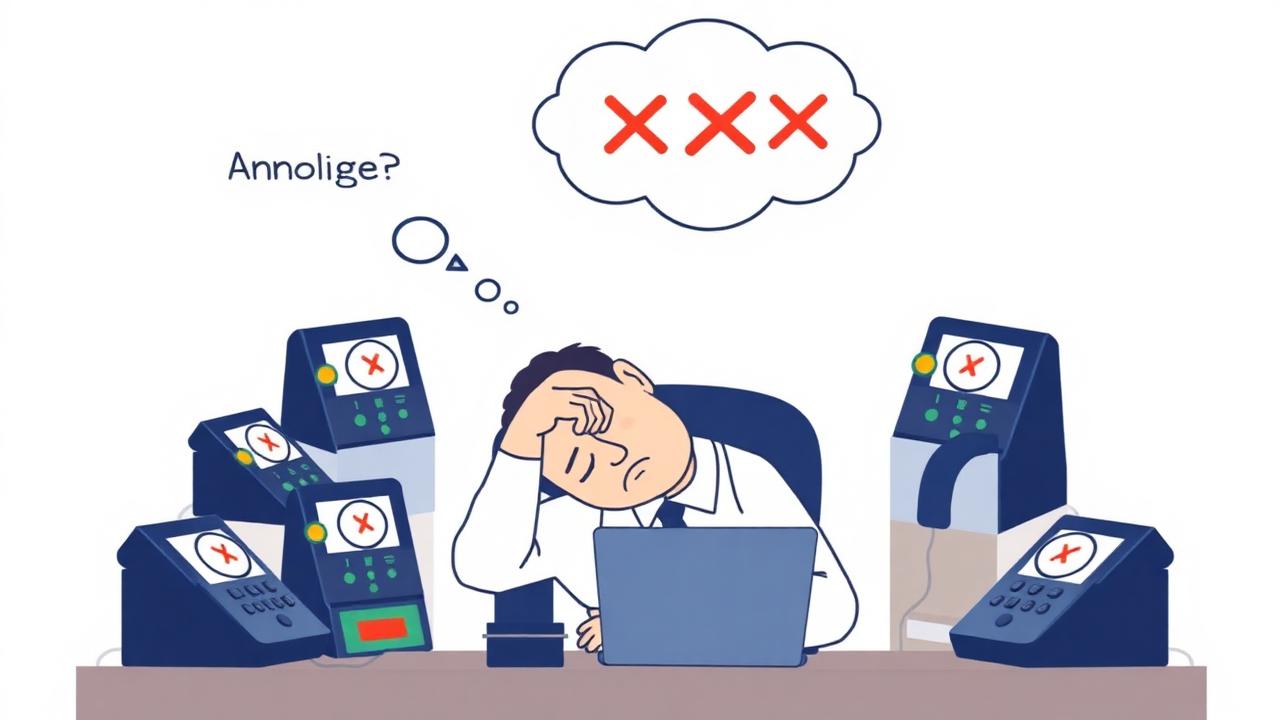
You open the call, the prospect picks up, and within the first 10 seconds you hear it: "I'm already covered. I'm all set." Most agents say "Oh, great — sorry to bother you" and hang up. They've just left money on the table with a prospect who, statistically, is probably overpaying for coverage that may not be the best fit for their situation.
Here's what "I'm already covered" actually means: I have something that I believe is sufficient and I haven't recently been given a reason to question it. It is not the same as "I have the perfect plan at the lowest price and I'm genuinely happy with it." The difference between those two statements is your entire opportunity.
Why "I'm Already Covered" Is Often the Start, Not the End
A few facts about the insurance market that reframe this objection:
- In the Medicare market, 56% of beneficiaries are enrolled in a plan that is not the lowest-cost option available in their county for their coverage needs.[1] Most don't know this because they've never had anyone show them a comparison.
- Final expense and life insurance: approximately 43% of American adults report being underinsured — they have coverage but not enough of it for their actual obligations.[2]
- ACA and health insurance: the marketplace changes every year. A plan that was optimal last year may have added a premium increase or removed a provider network this year.
None of these people are lying when they say "I'm covered." They're just not informed of what they might be missing.
The Response Framework: Acknowledge, Reframe, Question
Three steps, in order. Do not skip the first one.
Step 1: Acknowledge Without Dismissing
The fastest way to end the call is to push back directly on "I'm already covered." Instead, agree with the premise while opening a door: "That's actually great to hear — most people I talk to are covered at this point. My job isn't to replace what you have, it's just to make sure what you have is still the best option for what you're paying."
This does two things: it removes the threat (you're not trying to take away their coverage) and it reframes the conversation as a review rather than a sales pitch.
Step 2: Ask One Question About Their Current Plan
Pick one question — only one — that reveals whether their current situation might have a gap. The question should be easy to answer and non-threatening. Examples:
- Medicare: "Do you know if your plan locks your premium for the first couple of years, or does it adjust annually?"
- Final Expense: "Is your policy a whole life plan or does it have an expiration age?"
- Health/ACA: "Did you get a chance to review the updated plan options when enrollment opened in November?"
Most people don't know the answer to these questions. That's the point. The moment they say "I'm not sure actually" or "I think so" — the conversation has shifted. You're no longer an unwanted sales call. You're the person who just asked a question they realize they should know the answer to.
Step 3: Position the Next Step as Low-Stakes
"I can pull up what's available in your zip code right now and tell you in about 90 seconds whether what you have is still competitive. You don't have to change anything — it's just worth knowing. Do you have 90 seconds?" The 90-second frame is critical. It removes the commitment fear. Nobody objects to 90 seconds.
Handling the Follow-Up Resistance
Sometimes "I'm already covered" is followed by additional resistance. Here's how to handle the three most common follow-up objections:
"I'm happy with what I have."
"I'm glad to hear that — can I ask what plan you're on? I just want to make sure it's still the best rate for that level of coverage in [State]." If they name the plan, you have a conversation. If they don't want to name it, say: "Totally understand. Just know I'm here if anything changes — those things shift more often than people realize. Have a good one." Clean exit that leaves the door open.
"I'm not interested in changing."
"I'm not asking you to change anything — I'm just asking if I can show you what's out there right now so you know what the market looks like. You might find you have the best option. Or you might find something better. Either way you'll know." Reframe from "switch" to "compare."
"I have coverage through my employer / spouse / VA."
Each of these has a specific follow-up: employer plans often have coverage gaps for supplemental policies; spouse coverage has portability risk if the spouse changes jobs; VA benefits have well-documented coverage limits for non-service-connected conditions. For VA in particular: "VA is great for service-connected conditions — have you looked into what's covered for other medical situations?" This is a genuine value conversation, not a manipulation.
When to Let It Go
Not every "I'm already covered" is an opportunity. If the prospect has answered your question, confirmed they understand their plan, and still isn't interested — that's a real answer and you honor it. Add to your callback list for open enrollment season but don't push past genuine disengagement. The goal is a conversation, not a hostage situation.
Frequently Asked Questions
References
- Kaiser Family Foundation. (2023). Medicare Beneficiary Survey: Plan enrollment and awareness of alternatives.
- LIMRA and Life Happens. (2023). Insurance Barometer Study. Underinsurance rates among U.S. adults.