

Every insurance agent targets the same major metro areas. The same Tampa, the same Phoenix, the same Atlanta. The leads are cheaper per record in big cities because there are more of them — but the contact rate is lower, the burnout rate is higher (prospects who've been called by 12 agents this year are not in a conversational mood), and the competition for every qualified conversation is intense.
Rural markets are the opposite on every one of those dimensions — and most agents have never seriously worked them.
The Data Case for Rural Markets
Higher Answer Rates
Rural and small-town populations have measurably higher phone answer rates than urban populations. A 2023 CTIA analysis of call completion rates by population density found that outbound calls to rural area codes complete at 15–22% higher rates than comparable calls to major metro area codes.¹ The most common explanation: less exposure to spam calls (rural numbers receive fewer robocalls), stronger community norms around answering the phone, and fewer caller ID screening habits built up from years of high-volume telemarketing exposure.
Lower Agent Competition
A Medicare prospect in rural Tennessee or rural Pennsylvania is receiving far fewer concurrent calls from competing agents than a prospect in Miami or Los Angeles. Insurance agents — particularly call center operations — concentrate in metro markets because the raw lead count is higher. This leaves rural markets underworked, which means when you do call, the prospect hasn't already spoken to four agents this week.
Stronger Final Expense Opportunity
Rural markets skew toward older demographics, lower incomes, and higher rates of fixed-income households — all characteristics that correlate with strong final expense demand. Funeral costs in rural areas are often lower than urban markets, but the demographic profile (older, fixed income, family-centered values) drives high insurance interest regardless. Final expense agents consistently report their best conversion rates from rural lists.
Medicare Supplement Opportunity in Agricultural Communities
Agricultural and farming communities often have above-average household assets (land, equipment) with income that is variable or appears lower than actual wealth. This demographic is underserved by Medicare Advantage (which works better in urban areas with dense provider networks) and is often ideal for Medigap — they have assets to protect, they value stable predictable costs, and they often have rural hospital and provider relationships that work better with Medigap's national provider access than MA's limited networks.
How to Build a Rural Campaign
Geographic Filtering
The most effective way to isolate rural markets in a lead list is zip code density filtering combined with population size. Most lead marketplaces allow filtering by zip code or county. Focus on counties with populations under 50,000 and zip codes outside major metro statistical areas. The USDA rural classification system designates rural counties formally — this data is available as a filter layer in sophisticated list platforms.
Time Zone and Schedule Considerations
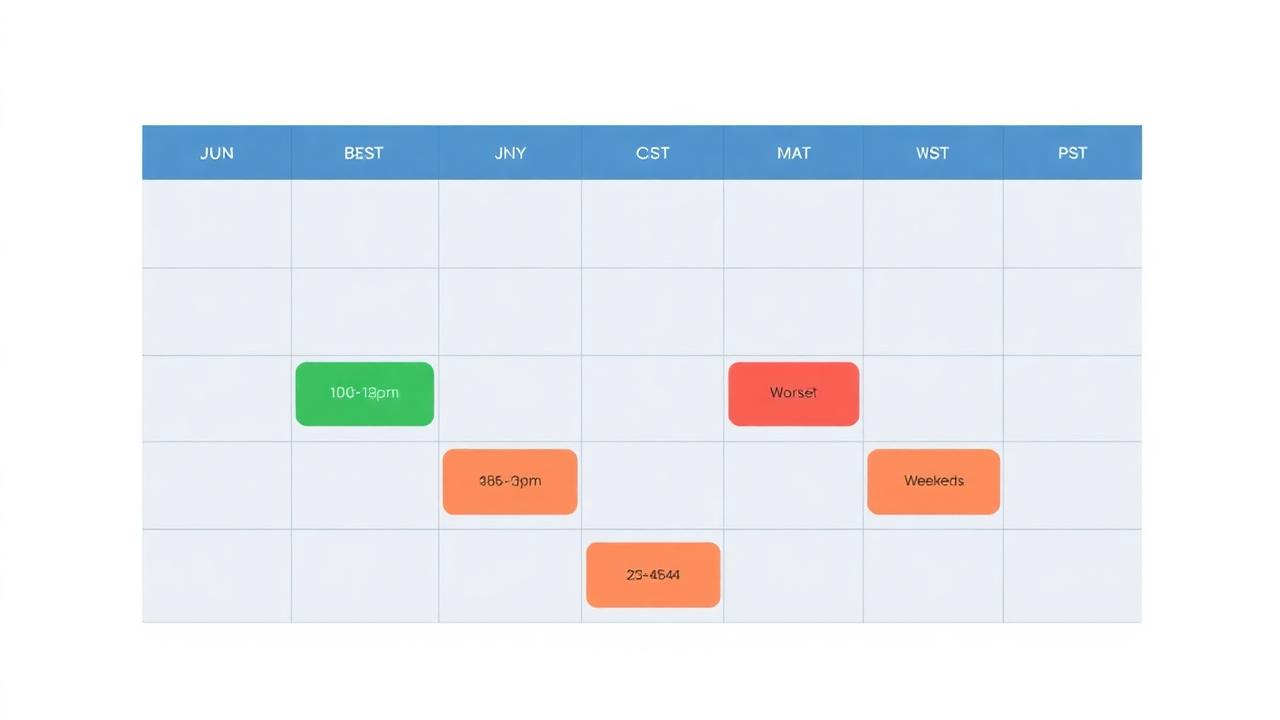
Rural populations — particularly agricultural communities — often have earlier daily schedules than urban populations. Early morning calls (8–10 AM local) that would catch most urban professionals before they're ready are often well-received in rural markets where the day starts early. Adjust your dialing window to lead with 8–10 AM local time rather than the 10 AM–12 PM window that performs best in metro markets.
Slower Pace, More Trust-Building
Rural prospects tend to be more willing to have a longer conversation but require more trust-building before they'll engage seriously with an offer. Don't rush to the product presentation. Ask about their county, their current coverage situation, how long they've been in the area. The conversational investment pays off disproportionately with rural prospects compared to urban ones.
Local Reference Points
Mentioning specific local context — a nearby hospital, a county seat, a regional carrier that's active in the area — signals that you're not calling from a generic call center list. 'I work with Medicare-eligible folks in [County] specifically — I know [local hospital] is the main facility out there and wanted to make sure people have coverage that works well there.' This level of specificity is available to any agent who takes 2 minutes to research the county before the call session. It's a significant differentiator from the generic opener that every other agent is using.
The Trade-Off: Lower Volume Per Campaign
The honest limitation of rural campaigns: there are fewer records per geographic area. A 50,000-person county produces a much smaller lead pool than a major metro. Rural campaigns work best as one element of a geographically diversified operation — not as the sole focus. A blend of 40% metro and 60% rural (by lead count) tends to produce the best overall contact rate while maintaining the volume needed to hit weekly conversion goals.
Browse leads filtered by county, population density, and demographic at cleanleads365.com/cleaner.
Frequently Asked Questions
Are rural leads more expensive than urban leads?
Not necessarily — and often the opposite. Because most agents don't specifically target rural markets, rural records are sometimes available at the same price as urban records but with lower competition pressure. The real cost difference shows up in volume: a rural campaign requires more geographic spread to hit the same record count as an urban campaign, which may mean multiple states rather than one.
Do rural leads have worse data quality?
Rural leads tend to have higher landline rates (fewer wireless-only households in older rural demographics) and sometimes older data in secondary markets. Run the same active status verification and DNC scrub on rural lists that you'd run on any list — the verification standards don't change based on geography. Line type filtering may produce a higher landline segment, which you'd work with a separate slower-pace campaign approach.
References
[1] CTIA — The Wireless Association. (2023). U.S. Wireless Industry Survey. Call completion rate data by geographic density.
[2] USDA Economic Research Service. (2024). Rural-Urban Continuum Codes. County classification data. https://www.ers.usda.gov
[3] LIMRA. (2023). Insurance Market Penetration by Geographic Segment. Rural vs. urban comparison data.