
There are two ways to increase your policy count. Buy more leads. Or get more out of the leads you already have. Most operations default to the first — buying more leads to compensate for poor performance — which means they're paying twice for the same problem. Here's the less expensive version: seven specific changes that can take a 15% contact rate to 40–50% on the same list.
Change 1: Verify and Scrub Before You Dial — Not After
The single highest-leverage change. If your list has a 25% dead-number rate and you're dialing it unverified, one-quarter of every hour your agents work is going toward calls that cannot connect. Run active status verification before the campaign. On a 1,000-record list with 250 dead numbers removed, you're getting 750 real attempts instead of 1,000 fake ones.
Change 2: Call Mobile Numbers First, Every Time
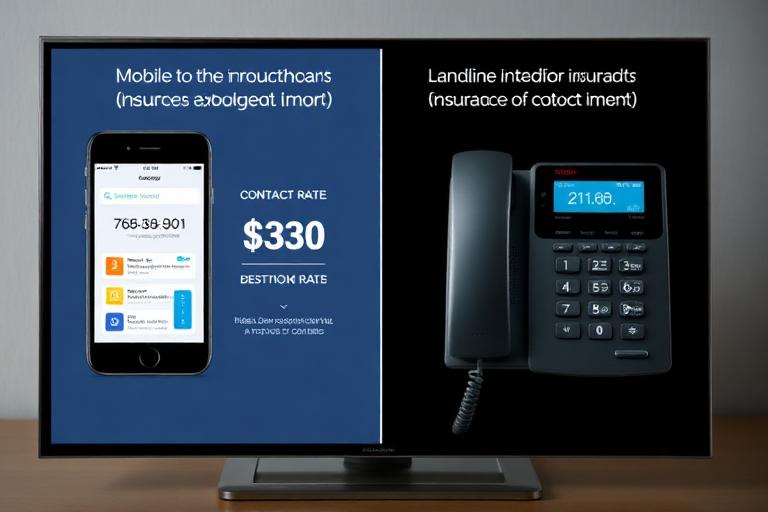
Mobile numbers contact at 3–4x the rate of landlines in the current U.S. market where 57.8% of adults are wireless-only.[1] Running a mixed list without line type segmentation is running your entire campaign at landline rates. Sort your cleaned list by LINE_TYPE: Mobile to the top.
Change 3: Match Call Times to Time Zones — Not Your Time Zone
An agent in Tampa calling a California list at 8:30 AM Eastern is calling at 5:30 AM Pacific. Nobody answers a telemarketing call at 5:30 AM — and if they do, they're going to file a complaint. Federal law requires calling only between 8 AM and 9 PM in the called party's time zone.[2] Your dialer must enforce time zone logic based on the area code of the number being dialed.
Change 4: Stop Dialing the Same Number at the Same Time Every Day
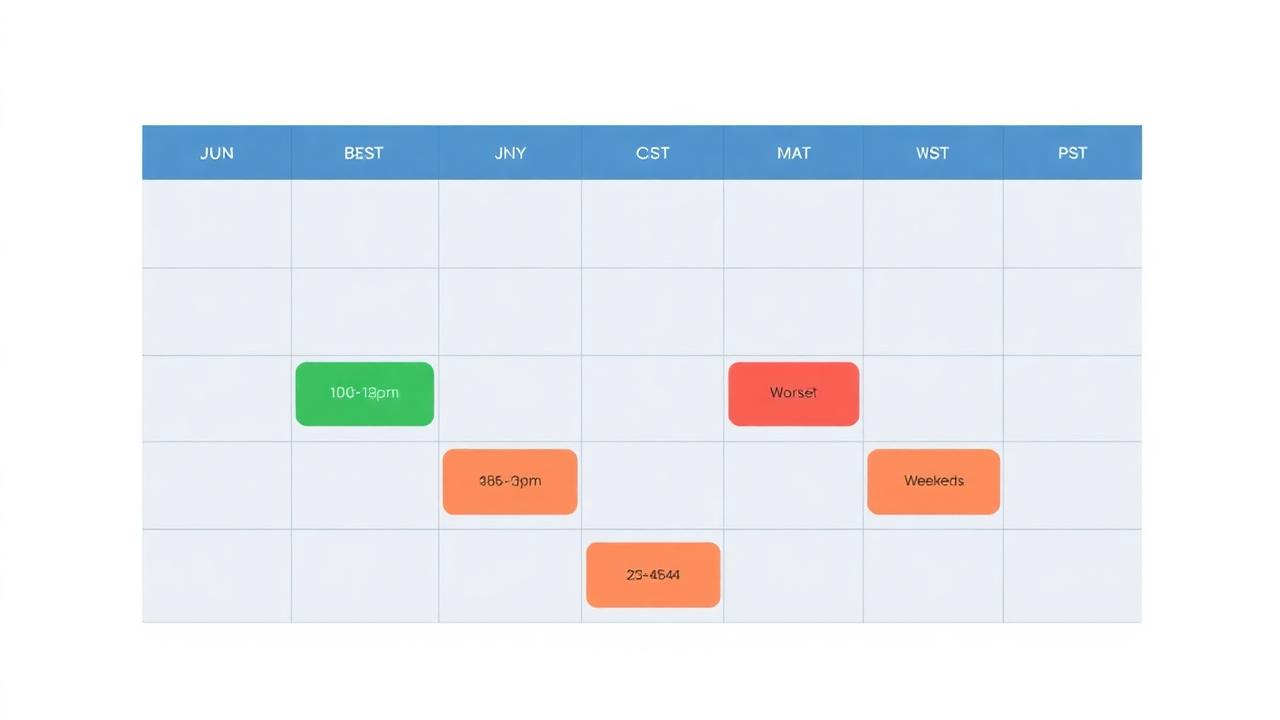
If a prospect doesn't answer at 10 AM Tuesday, dialing them at 10 AM Wednesday will produce the same result. Vary your attempt timing: morning, midday, late afternoon, and early evening. Industry data consistently shows that Wednesday and Thursday afternoons between 4–6 PM local time produce the highest insurance lead contact rates.[3]
Change 5: Use Voicemail Drops Strategically
A pre-recorded voicemail drop accomplishes two things. It makes the callback feel warm when you reach the prospect live on attempt 2 or 3. And it filters — some percentage will call you back. Keep voicemail drops under 20 seconds, identity clear, callback number stated twice, no pressure language. A prospect who calls you back is 4–6x more likely to convert.[4]
Change 6: Increase Your Attempt Count Before Marking a Lead Dead
Many agents make 2–3 attempts and move on. The data says 50% of sales happen after the 5th contact attempt — with the curve extending to the 8th attempt before it flattens. For Medicare leads, the conversion curve peaks around attempts 3–5. For final expense with older demographics, 6–8 attempts. If you're marking a lead dead at attempt 3, you're giving up before the majority of conversions happen.
Change 7: SMS Follow-Up on Mobile-Consented Numbers
A simple, compliant SMS follow-up after a missed call dramatically increases contact on the next attempt. SMS open rates average 98%.[5] The text should be short, warm, non-pushy, and fully identified: "Hi [First Name], this is [Agent Name] with [Agency]. I tried reaching you about Medicare options in [State]. Feel free to call me back at [number] or reply STOP to opt out."
Do not send SMS to numbers without documented mobile consent. This is an ATDS if sent en masse and requires prior express written consent under the TCPA.
Your list needs to be verified first. Scan your list at cleanleads365.com/scan-my-list (first 100 free), then apply these seven changes to the clean subset.
References
- National Center for Health Statistics. (2024). Wireless Substitution Estimates from NHIS.
- 47 U.S.C. § 227(c)(1). TCPA restriction on calling hours.
- InsideSales.com / Xant. (2014). Best Times to Call Research.
- RAIN Group. (2019). Top-Performing Sales Teams research.
- Gartner / Salesforce Research. (2022). SMS open rates vs. email in B2C outreach.