
The problem isn't the call. The problem is what agents are trying to do on the call.
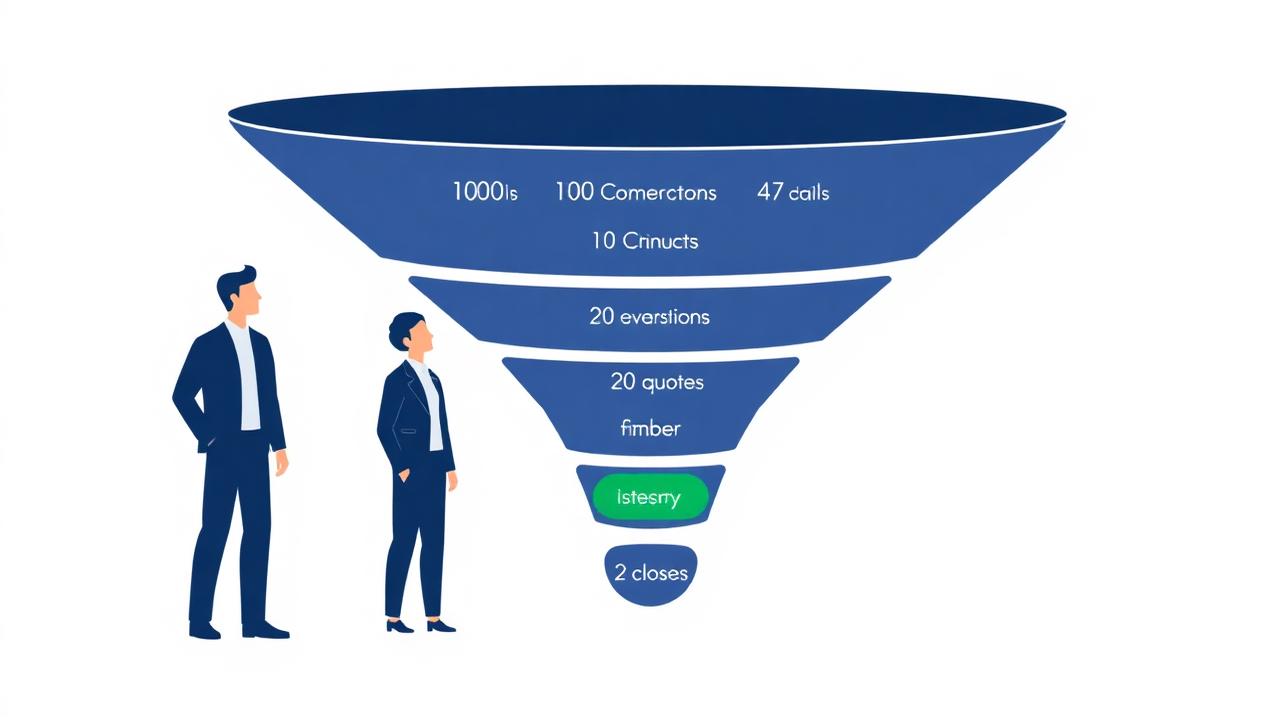
A cold call to an insurance lead is not where the sale happens. It's not even where the interest is built. The cold call has one job: get 20–30 minutes of the prospect's time, scheduled in the future, where you can actually present. Everything else — the pitch, the comparison, the close — comes later. Agents who treat the cold call as a complete sales interaction lose it on the front end. Agents who treat it as a calendar-booking exercise do considerably better.
The Core Principle: Minimum Viable Ask
Every element of your cold call opening should be optimized around the minimum viable ask: what is the smallest yes you can get that moves this prospect toward a real conversation? The answer is not "do you want insurance." The answer is not "can I give you a quote." The answer is: "Do you have 20 minutes this week for a quick comparison?"
That's it. That's the ask. Everything before it is earning the right to make that ask.
The Opening That Earns the Appointment Ask
The first 30 seconds determine whether you get to make the ask. Here's the structure:
Element 1: Identity — Short and Personal
"Hi [Name], this is [First Name] — I'm an independent Medicare broker in [State]." Independent is a key word for insurance — it signals no single carrier agenda. State-specific is another trust signal — you know their market, not just the national picture.
Element 2: Reason for Call — Specific, Not Generic
Not: "I'm calling about Medicare options in your area." That's what every agent says. Instead: "The reason I'm calling is that there are two Supplement plans in [County] right now that waived the premium increase for 2026, and I've been reaching out to Medicare-eligible folks in the area to make sure they know about it before it gets filled." Specific. Time-sensitive. Local.
Element 3: The Permission Question
"I'm not trying to sell you anything today — can I ask you two quick questions to see if it's even worth your time?" This is the most important line in the opener. It removes the sales threat, creates a binary yes/no decision, and gives the prospect control. Most will say yes to two questions — it's a minimal commitment.
Element 4: The Two Qualifying Questions
These should confirm the prospect is in the right market and has a genuine reason to consider alternatives. For Medicare:
- "Are you currently on Medicare Part A and B?" (confirms eligibility)
- "Have you looked at your Supplement plan in the last 12 months, or has it just been on auto-renew?" (surfaces dissatisfaction or inattention without implying they made a mistake)
Element 5: The Calendar Ask — Framed as a Favor to Them
"Based on what you told me, it's worth 20 minutes to at least see the comparison — I can show you the plans side by side and you can decide if anything makes sense. Do you have any time this week or next?" Not "can I schedule you" — "do you have time." Their schedule, their control.
Handling the Three Most Common Appointment Objections
"Just send me information."
"I can do that — and I will. But the information alone doesn't mean much without the context of what's available in your specific county. The comparison takes about 20 minutes and I can walk you through it — can we do a quick call this Thursday?" Agree to send information, then redirect to the appointment.
"I need to talk to my spouse / family first."
"That makes complete sense — would it actually be better to do the call with both of you? I can make sure you both have the same information so you can decide together." Invite the objection into the appointment rather than fighting it.
"I don't have time right now."
"No problem at all — when's a better time? I have Thursday afternoon or Friday morning open this week." Always offer two specific times. An open-ended "when works for you" creates a decision-avoidance moment. Two specific options force a simple choice.
How List Quality Affects Appointment Setting
The best opener in the world doesn't overcome a list that's 30% disconnected numbers and 15% DNC-registered records. Before you work on your appointment-setting script, make sure the list you're dialing is verified, mobile-first, and not shared with five other agents who are running the same script on the same numbers. Browse cleanleads365.com/cleaner for exclusive leads that haven't been worked to death.
Frequently Asked Questions
References
- RAIN Group. (2020). What Sales Winners Do Differently. B2C appointment-setting research on minimum viable ask framework.
- InsideSales.com / Xant. (2019). No-show rate study: appointment timing and confirmation protocol.