Every quoted prospect who has not yet bought represents a conversation that already went well enough to get to a product presentation. They have already cleared the most difficult stage — they engaged, they qualified, they heard a product and a premium. The only thing standing between a quote and a close is either an unresolved concern or a competing priority.
Why Quoted Follow-Up Is Different from Cold Follow-Up
In cold follow-up, you are trying to create a first impression and establish relevance. In quoted follow-up, the prospect already knows you, already heard the product, and already has an opinion forming. The follow-up is not re-selling — it is surfacing and resolving whatever is stalling the decision.
The Three Reasons Prospects Go Dark After a Quote
- Unresolved question they did not ask. Something in the presentation created a concern they did not voice — a term they did not understand, a coverage exclusion they want to verify. They are not saying no; they are in a private research phase.
- Comparing with a competing agent. In Medicare and ACA particularly, a prospect who received a quote from you may be getting quotes from two or three others.
- A competing priority displaced the decision. A health event, a family situation, a work deadline — something pushed the insurance decision down their list. The intention to buy is still there, but the urgency dissolved.
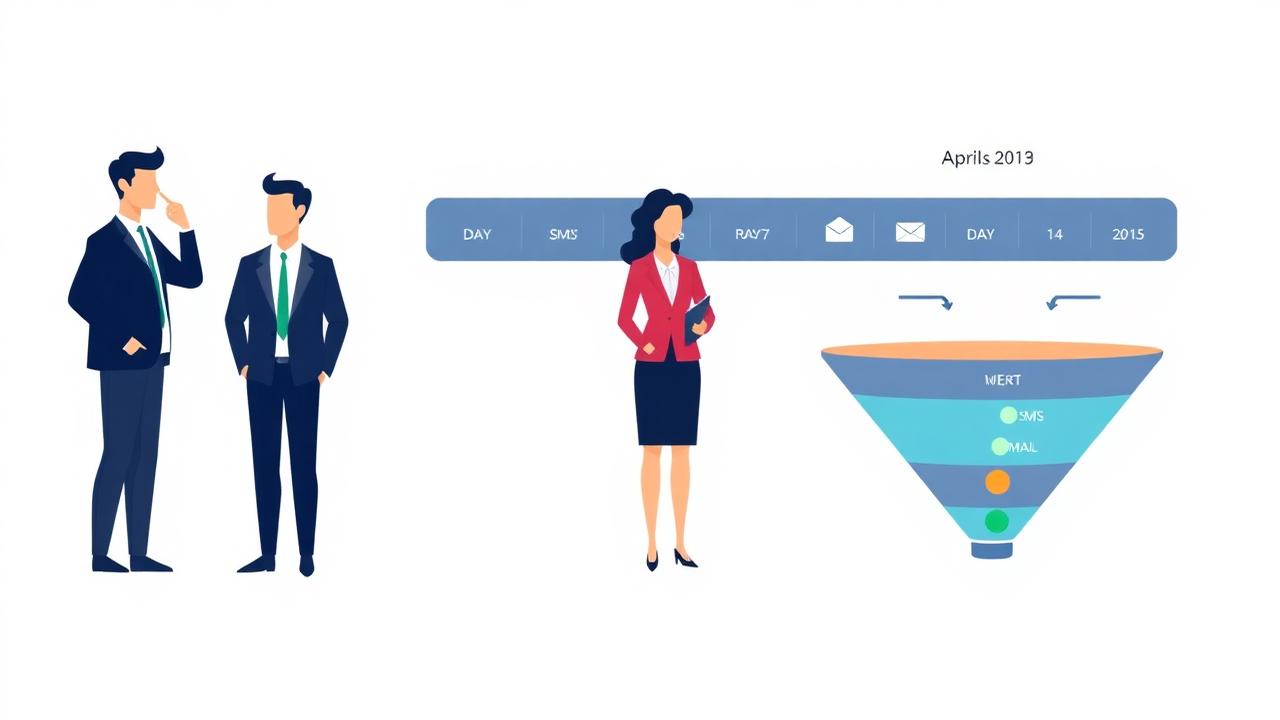
The Quoted Follow-Up Sequence
Follow-Up 1: 48 Hours After the Quote (Call)
Opener: "Hi [Name], this is [Agent]. I wanted to follow up on the plan we discussed — I realized I forgot to mention one thing that might matter to you, and I also wanted to see if any questions came up after we talked." The phrase "I forgot to mention one thing" gives the prospect a reason to take the call that is not pressure.
Follow-Up 2: 5 Days After the Quote (Call)
"Hi [Name], [Agent] again. I know you are thinking things through — I just wanted to make sure you had everything you needed to make a comfortable decision. Is there anything about the coverage or the carrier you would like me to go over again?"
Follow-Up 3: 10 Days After the Quote (Call + SMS)
A third call attempt plus an SMS: "Hi [Name] — [Agent] following up on the plan we reviewed. Enrollment window is open and I want to make sure you have time to decide without feeling rushed. Quick call when you get a chance — [number]."
Follow-Up 4: 21 Days — The Honest Close
"Hi [Name], this is [Agent]. I have tried to reach you a few times since we talked about the plan — I do not want to keep calling if the timing is just not right. If you are still interested, I am here. If things have changed, no problem at all — just let me know and I will stop following up."
This call is the most powerful in the quoted follow-up sequence. Giving explicit permission to say no paradoxically produces the highest callback rate — because it removes the pressure that was making the prospect avoid the call.
Tracking Quoted Prospects in Your CRM
Every quoted prospect needs three CRM fields beyond the standard pipeline: Quote Date (triggers the 48-hour follow-up), Product Quoted (for context), and Quote Objection Notes. These three fields make the follow-up sequence systematic rather than dependent on agent memory.
Need fresh leads for your pipeline? Browse verified, DNC-scrubbed inventory at cleanleads365.com/cleaner.
References
- InsideSales.com / Xant. (2014). Lead Response Management Study. Quoted prospect follow-up conversion rates by attempt count.
- Salesforce. (2023). State of Sales. Pipeline leak analysis: quoted-stage attrition and recovery rates.