Bad hires in insurance phone sales are expensive in a specific way. Unlike most roles where a poor performer just underperforms, a poorly trained phone agent with access to your lead list can damage compliance documentation, burn prospects you paid for, and generate DNC requests that shrink the dialable pool for every agent who follows them. The cost isn't just the salary — it's the list they worked.
What Actually Predicts Performance
Phone Comfort — Not Sales Experience
The most consistent predictor of success is comfort with sustained phone conversations — not prior sales experience, not insurance knowledge. Someone who spent three years making outbound calls in any capacity will outperform a polished retail salesperson who has never made 100 outbound calls in a day. Phone endurance — handling repeated rejection, maintaining energy on the 80th dial, recovering fast after a hostile hang-up — either exists or it doesn't. It shows up on day two.
Listening Speed
Insurance phone sales is a qualification game more than a pitch game. Agents who convert highest are the ones who listen well enough to ask the right second question. In a screening call, ask: "Tell me about a time you had to adjust what you were saying mid-conversation based on what the other person said." Candidates who tell a story about adapting are better hires than candidates who tell a story about overcoming resistance.
Low Ego About Rejection
Ask directly: "On a day when 90% of your calls hang up before you finish your opener — which will happen — how does that affect your energy by call 50?" Candidates who describe specific coping mechanisms outperform those who claim rejection "doesn't bother them."
The Three-Step Hiring Process
Step 1: Phone Screen (10 Minutes)
Schedule a 10-minute phone call — not video, not in-person. Listen to how they sound on the phone. Are they warm? Easy to understand? Do they get to the point without being abrupt? This is literally the job. You don't need an elaborate assessment.
Step 2: Role-Play Screen (15 Minutes)
Give them a simplified opener. Give 5 minutes to read it. Play the role of a skeptical prospect: "I already have coverage," "I'm not looking right now," "How did you get my number?" You're not assessing whether they deliver the script perfectly. You're assessing whether they stay curious and engaged or shut down when the path gets harder.
Step 3: Paid Day-One Trial (4 Hours)
Pay a half-day rate and put them on the phone with a real verified list under supervision. Track three things: call attempt pace (are they dialing steadily or stalling?), recovery speed after hang-ups (how long before the next dial?), and opener delivery (does it sound natural or read?). Four hours of real calling tells you more than four rounds of interviews.
The Onboarding Sequence
Days 1–3: Product Fundamentals
Medicare Parts A, B, C, D. What Medigap is and why it exists. What Medicare Advantage is and how it differs. The T65 window. Common objections and their factual answers. Not sales training yet — product knowledge. An agent who doesn't understand the product can't qualify correctly.
Days 4–5: Compliance Basics
The calling hours rule. How to handle a live DNC request. What TCPA means. The litigator scrub and why they never call flagged numbers. One hour is sufficient. They don't need to become attorneys — they need to understand that compliance documentation is part of their job.
Days 6–10: Supervised Dialing with Debrief
Live calls with specific feedback after every session. Not "be more confident" but "you moved to the product before qualifying the coverage situation — ask one more question before you transition." By Day 10 you know whether this hire is going to work.
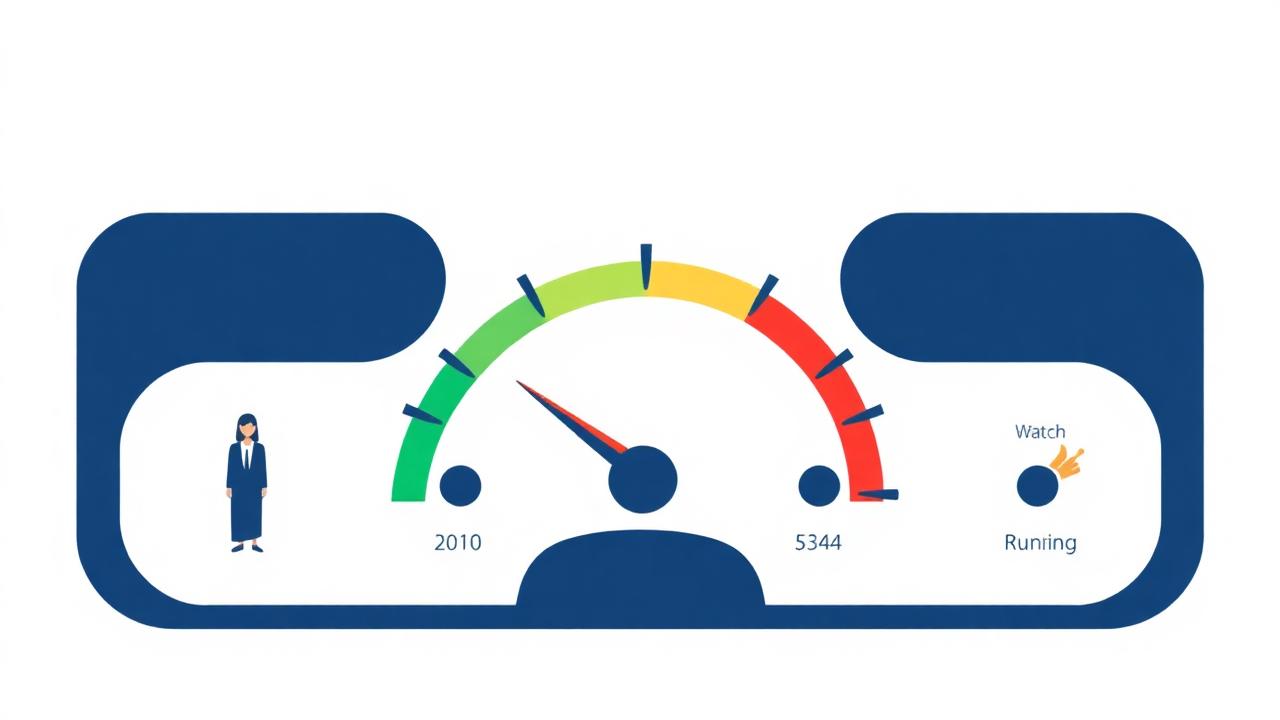
Week-Two Diagnostic Numbers
- Attempt pace: 60+ dials per 4-hour session. Below 40 means stalling between calls.
- Live conversation rate: 30%+ on a verified list. Below this means opener delivery issues or premature call abandonment.
- Conversation length on no-quote calls: 90+ seconds. Very short non-quote conversations mean they're not getting past the opener.
References
- Objective Management Group. (2023). Sales Candidate Assessment Research. Top performer trait correlation.
- LIMRA. (2022). Insurance Sales Force Study. Onboarding timeline and productivity benchmarks.