There's a consistent operational difference between insurance agents who plateau and agents who keep improving. It's not experience, not the product vertical, not natural talent. It's a review process. The agents who improve have a structured way of looking at last week's results and translating them into specific changes for next week. The ones who plateau run campaigns, react to outcomes, and repeat without a diagnostic framework.
Here's the 45-minute weekly campaign review — the questions, the numbers, and the specific actions each answer should trigger.
When to Run It
Monday morning, before the week's campaigns launch. 45 minutes. Pull last week's CRM data Friday afternoon so the numbers are ready. The review covers three areas: data health, campaign performance, and pipeline status. Each has a core question and diagnostic follow-ups.
Area 1: Data Health (10 Minutes)
Core Question: Is the list I'm about to work still clean?
- Dead number rate this week: Above 15% means re-verify the list before next week. Upload to Clean Leads 365's free scan before Monday's campaigns launch.
- New DNC requests this week: Above 3% of contacts means your demographic filter may be off, or your opener is triggering defensive responses. Check both.
- Average list age: Above 60 days since the most recent verification date means re-verify before continuing. The contact rate drop from 60-day unverified data costs more in agent time than the re-verification.
Area 2: Campaign Performance (20 Minutes)
Core Question: Where in the funnel did this week break down?
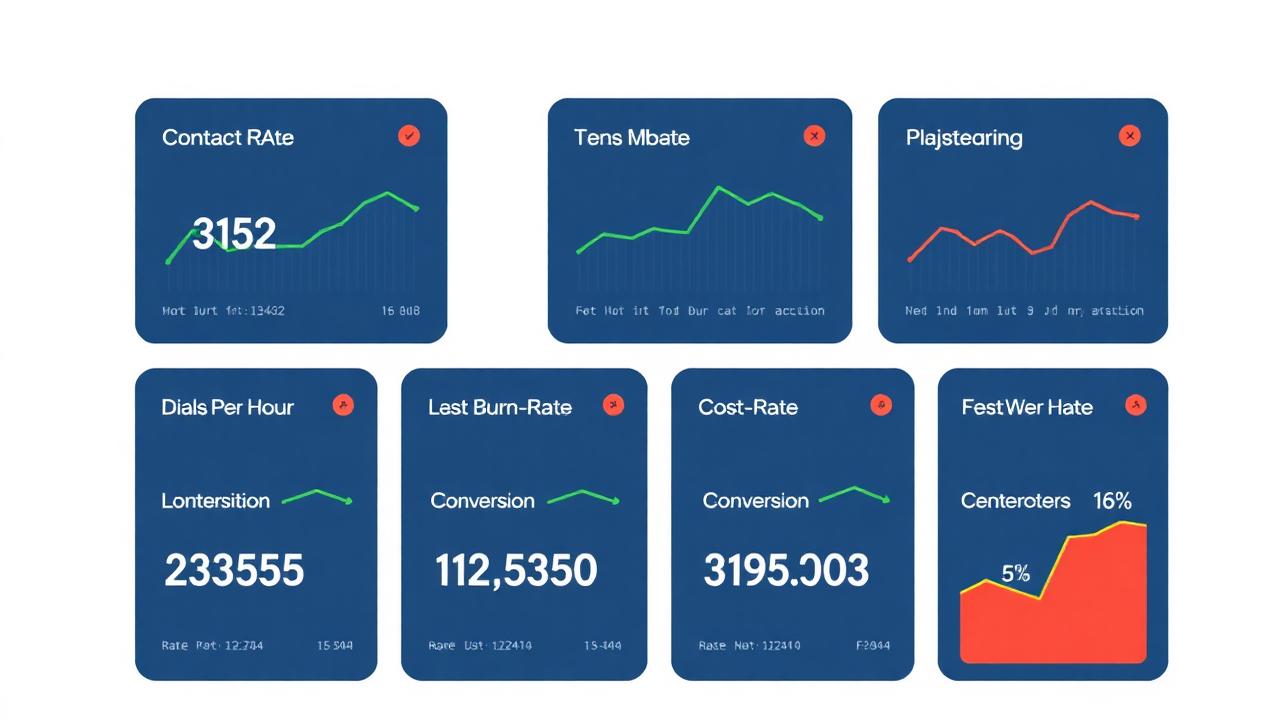
Pull Contact Rate, Quote Rate, and Close Rate. Compare to your rolling 4-week average. A metric that declined 5+ percentage points is an action trigger — not a shrug.
If Contact Rate Declined:
- Check caller ID reputation (YouMail, Hiya) — possible spam flag accumulation
- Check time-of-day distribution — did your calling windows shift this week?
- Re-verify the active segment — higher inactive rate than expected
If Quote Rate Declined:
- Listen to 5 recorded calls that ended without a quote — identify where the conversation ended
- Check demographic alignment — right product for the demographic you called?
- Review opener delivery — any agents executing differently this week?
If Close Rate Declined:
- Check carrier pricing — did any plan rates change affecting your competitive position?
- Track quote-to-callback rate — are quoted prospects going dark?
- Review objection handling — is a specific objection appearing more this week?
Area 3: Pipeline Status (15 Minutes)
- Quoted but not closed: Every quoted prospect needs a follow-up call scheduled within 48 hours. Quoted prospects who don't hear from you restart their search.
- Active sequence records remaining: If you'll exhaust the current list within two weeks, initiate your next list purchase now. A campaign gap is expensive — agents go idle while you wait for a new verified list.
- Re-engagement queue: Records with a 90-day re-engagement date in the next two weeks need re-verification scheduled now. Put it on the calendar.
The Output: Three Specific Actions
The review ends with exactly three next-week changes. One change to data or list management. One change to campaign execution. One pipeline action. Three things executed consistently outperform ten things executed inconsistently.
WEEKLY REVIEW OUTPUT TEMPLATE:
- Data action: [e.g., Re-verify the 800-record Florida list before Wednesday — average age is 67 days]
- Campaign action: [e.g., Shift Thursday window earlier — try 9 AM instead of 11 AM, contact rate lower Thursdays]
- Pipeline action: [e.g., Call back 12 quoted prospects by Wednesday. Initiate next list purchase — current list exhausts in 9 days]
References
- Salesforce. (2023). State of Sales Report. Review cadence and quota attainment correlation.
- InsideSales.com / Xant. (2020). Sales Development Technology Report. Metric tracking and conversion improvement.